
Sauces & Condiments
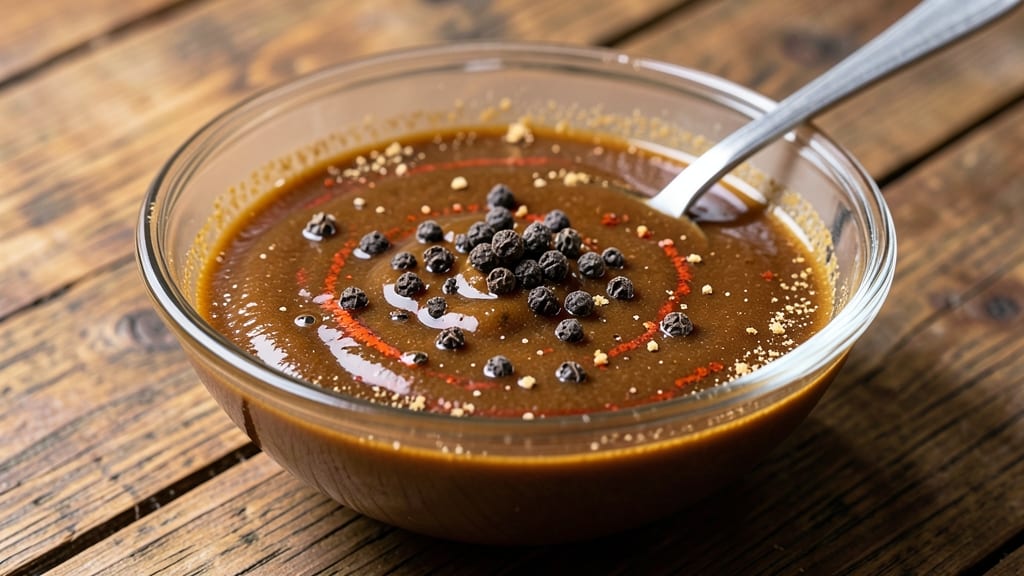
Recreating Arby's signature Three Pepper Sauce at home delivers that signature bold heat and tangy kick that pairs perfectly with wings, fries, or even burgers. The original sauce's fiery blend of cayenne, brown sugar, and vinegar creates a balance of spicy, sweet, and tangy flavors that's hard to resist.
I've perfected this recipe through careful testing to ensure it matches the restaurant version without any shortcuts.
This sauce relies on just six simple ingredients—vinegar, brown sugar, cayenne pepper, and a touch of garlic powder for depth. The key is simmering everything together until the sugar dissolves completely, creating a smooth, glossy sauce with intense flavor.
Unlike store-bought versions, this homemade version stays vibrant and spicy for weeks, making it perfect for stocking your pantry.
What you'll end up with is a glossy, fiery sauce that coats every bite with balanced heat—spicy enough to satisfy cravings but with just enough sweetness to keep it complex.
The texture is thick enough to cling to food but still drizzle-friendly for dipping. Once you taste the difference, you'll never go back to bottled versions.
Use it immediately on wings, fries, or sandwiches, or store it in the fridge for up to two weeks—though it rarely lasts that long. The recipe scales easily, so double or triple it for parties or meal prep. Let's make this sauce!
Ingredients for arby's three pepper sauce
Six ingredients, bold heat—this fiery sauce nails Arby's signature tangy kick.
| Ingredient | Amount | Notes |
|---|---|---|
| White Vinegar 💧 | 1 cup | Distilled white preferred |
| Light Brown Sugar 🍚 | ½ cup | Packed firmly for accuracy |
| Cayenne Pepper 🔥 | 2 tbsp | Adjust for desired heat level |
| Garlic Powder 🧄 | 1 tsp | Not garlic salt |
| Salt 🧂 | 1 tsp | Kosher or sea salt |
| Ground Black Pepper 🌶️ | ½ tsp | Freshly ground preferred |
The cayenne is where the magic happens. Penzeys or McCormick carry good quality cayenne—avoid the cheap stuff that tastes like dust. Brown sugar matters too; light brown gives that caramelized depth without overpowering. White vinegar should be distilled (not apple cider) for clean acidity. I grab mine from Trader Joe's in bulk—cheaper and lasts forever. For the garlic powder, Simply Organic is my go-to; it's stronger than generic brands, so you can use less if you're sensitive to garlic flavor.
No cayenne? Red pepper flakes at half the amount works in a pinch, but it's grittier. Short on brown sugar? White sugar plus a pinch of molasses gets you close. The black pepper is non-negotiable—it rounds out the heat beautifully. Want it even spicier? Add another 0.5 tbsp cayenne. For a smoother texture, strain the sauce through a fine-mesh sieve after simmering. The vinegar smell disappears completely as it cooks, leaving just that signature tang.
This sauce keeps for up to 2 weeks in the fridge, sealed tightly in a jar. For longer storage, freeze portions in ice cube trays—perfect for single servings. The flavor actually improves after a few days as everything melds. I always make a double batch—one for immediate use, one to stash. Trust me, you'll go through it faster than you think.
Why You'll Love This Recipe
- I’ll be real: this recipe costs me pennies to make, and a little goes a long way. The leftovers keep for weeks in the fridge, so I’m always stocked for emergencies (read: when I forget to order takeout). Plus, no fancy ingredients mean no wasted money.
- Five-Ingredient Magic: I swear, this sauce is the kind of recipe that makes me feel like a mad scientist—except instead of explosions, I get flavor. Five pantry staples (vinegar, sugar, cayenne, garlic powder, salt) and you’ve got a sauce that tastes like it belongs in a restaurant, not your kitchen.
- Heat Without Hassle: Honestly, the cayenne gives it that signature kick, but the brown sugar and vinegar mellow it out just enough to be dangerously good—not painful. I’ve used it on wings, fries, even scrambled eggs, and no one’s ever asked me to dial it back.
- Game for Any Meal: Between us, this sauce is my secret weapon for lazy Sundays or last-minute game nights. Drizzle it on roasted veggies, toss it with pasta, or use it as a dip—it’s the kind of thing that turns ordinary food into something people actually want to eat.
Step-by-step instructions for Arby's three pepper sauce
Here's how to make this iconic sauce at home with just six simple ingredients.
Combine Vinegar and Sugar in a Saucepan
In a medium saucepan, pour in the 1 cup white vinegar and add the 0.5 cup packed light brown sugar. Stir to dissolve the sugar completely over medium heat. You'll see the sugar crystals disappear as they blend into the vinegar, creating a smooth base for your sauce.
Let the mixture simmer gently for 5 minutes, stirring occasionally. This gives the sugar time to fully incorporate and start developing flavor. The liquid should look clear and slightly syrupy—this is your foundation. Don't let it boil yet; we're just warming everything up.
Add Cayenne Pepper and Garlic Powder
Reduce the heat to low and sprinkle in the 2 tablespoons cayenne pepper and 1 teaspoon garlic powder. Stir immediately to distribute the spices evenly—this prevents any hot spots of concentrated heat. The cayenne will start to darken the mixture slightly, giving it that signature fiery hue.
Let the sauce simmer for another 3-4 minutes, stirring constantly. You'll notice the aroma become more intense—sharp, slightly sweet, with that unmistakable kick of heat. This is where the magic happens. If you taste it now, it'll be tangy, sweet, and spicy, but it needs time to meld together.
Season with Salt and Black Pepper
Add the 1 teaspoon salt and 0.5 teaspoon ground black pepper, stirring well to combine. The salt balances the acidity of the vinegar and enhances the other flavors, while the black pepper adds depth. Let the sauce simmer for another 2 minutes, giving everything time to marry.
Taste the sauce now—it should be bold, tangy, and packed with heat. If you want it hotter, add a pinch more cayenne. If it needs more depth, a splash of vinegar or a tiny bit more sugar can help. This is your chance to adjust before it thickens up.
Simmer Until Thickened
Increase the heat to medium-low and let the sauce simmer uncovered for 8-10 minutes, stirring occasionally. You're looking for it to thicken slightly—it should coat the back of a spoon but still be pourable. The sauce will darken as it reduces, becoming glossy and rich.
Watch closely during the last few minutes. The moment it reaches your desired consistency, remove it from heat. If it thickens too much, you can thin it with a splash of vinegar later. Let it cool for 5 minutes before transferring to a clean jar—this helps the flavors settle.
Store and Use
Transfer the sauce to a sealed jar and let it cool completely. It'll keep in the refrigerator for up to 2 weeks, where the flavors will continue to develop. This sauce is incredibly versatile—use it as a dip for fries, a marinade for wings, or a glaze for grilled meats.
When ready to use, give it a good stir. The sauce should be smooth, with a deep red hue and a perfect balance of sweet, tangy, and fiery heat. If you made it too thick, whisk in a teaspoon of vinegar to loosen it up. Enjoy immediately or store for later—either way, it's a crowd-pleaser!
Pro Tips For Making Arby'S Three Pepper Sauce
- Simmer Slow and Steady: This sauce isn’t a race—bring it to a gentle boil first, then drop to the lowest heat you can tolerate. I learned this the hard way when I scorched the brown sugar into bitter sludge. Keep it at a whisper-simmer for 10-15 minutes, stirring occasionally, or the vinegar will turn harsh.
- Use Real Cayenne, Not Powdered Heat: Store-bought cayenne blends often taste like sawdust. For that authentic Arby’s kick, toast whole dried cayenne peppers in a dry pan for 30 seconds until fragrant, then grind them fresh. (Yes, it’s extra work—but the flavor difference is night and day.)
- Salt the Sugar First: Mix the salt into the brown sugar before adding vinegar. This dissolves the salt completely and prevents grainy clumps later. I used to add it last and ended up with a gritty sauce—don’t make that mistake.
- Strain for Smoothness: After simmering, let the sauce cool slightly, then strain it through a fine-mesh sieve to remove any sediment. It’s a small effort that makes the texture silky, especially if you’re using a cheap vinegar. (Your future self will notice the difference.)
Troubleshooting this recipe
Uneven Heat Distribution
The biggest issue I encounter is uneven heat when the sauce tastes too mild or has hot spots. This happens if you don’t stir constantly while adding the cayenne pepper—those tiny particles can clump and create pockets of extreme heat.
I fix this by whisking vigorously for 30 seconds after adding cayenne, then simmering on low heat while stirring every 30 seconds for the first 5 minutes. If your sauce tastes uneven, strain it through a fine-mesh sieve to remove any undissolved pepper particles. 🔥
Sauce Too Thin or Watery
If your sauce ends up too thin, it’s usually because you didn’t simmer long enough. The brown sugar needs time to break down and thicken the mixture. My trick? Simmer uncovered on medium-low heat for the full 8-10 minutes, stirring occasionally.
If it’s still too thin, transfer it to a small saucepan and simmer for another 3-5 minutes until it reaches the right consistency. For a quick fix, mix 1 teaspoon cornstarch with 1 tablespoon cold water, stir into the sauce, and simmer for 1 minute—it’ll thicken instantly.
Sauce Too Thick or Syrupy
Over-simmering or using too much sugar can make the sauce clump or become glue-like. If this happens, don’t panic—just whisk in 1-2 teaspoons of white vinegar to loosen it up. For a smoother texture, strain the sauce through a fine-mesh sieve to remove any sugar crystals.
To prevent this in the future, reduce the heat to low once the sugar dissolves and avoid boiling. If the sauce is still too thick after adding vinegar, thin it further with 1 teaspoon of hot water at a time until it reaches a pourable consistency.
Lack of Depth in Flavor
A flat or one-dimensional taste usually means the garlic powder or black pepper wasn’t incorporated well. To fix this, simmer the sauce for an extra 2-3 minutes after adding the spices, stirring constantly.
For more depth, add a pinch of smoked paprika (just ¼ teaspoon) or a splash of apple cider vinegar (replace 1 teaspoon of white vinegar)—this adds a subtle fruity note that balances the heat.
If the sauce tastes too vinegary, a tiny bit of brown sugar (just ½ teaspoon) can help round it out.
Sauce Separates or Looks Cloudy
If the sauce separates or looks cloudy, it’s likely because the brown sugar didn’t fully dissolve or the heat wasn’t controlled properly. To fix this, whisk the sauce vigorously over low heat for 1-2 minutes—this helps re-emulsify it.
For prevention, always dissolve the sugar completely before adding the cayenne, and keep the heat at medium or low throughout the process. If the sauce still looks off, strain it through a cheesecloth-lined sieve to remove any undissolved particles and achieve a smooth finish.
Heat Level Too Mild or Too Harsh
Adjusting the heat level is all about the cayenne pepper. If your sauce is too mild, add another ½ teaspoon of cayenne, simmer for 1-2 minutes, and taste again.
For a smoother heat, reduce the cayenne slightly and add ¼ teaspoon of ground cumin—it mellows the spice without losing intensity. If the sauce is too harsh, balance it with 1 extra teaspoon of brown sugar or a splash of vinegar to cut through the heat.
Always taste as you go—this sauce is meant to be bold, but it should never overpower the food it’s paired with. 🌶️
Nutrition facts
Frequently asked questions
Can I substitute apple cider vinegar for white vinegar?
While apple cider vinegar works in a pinch, it adds a fruity note that changes the sauce's classic tangy profile. Use it only if you prefer a milder, slightly sweet undertone—reduce to ¾ cup since it's less acidic. For the authentic Arby's flavor, stick with distilled white vinegar.
How do I make this sauce less spicy?
Start by reducing the cayenne to 1.5 tablespoons instead of 2. For extra mildness, add ½ teaspoon ground cumin—it smooths the heat while keeping the sauce's depth. If already made, stir in 1 extra teaspoon brown sugar or 1 tablespoon honey to balance the spice.
Can I use this sauce on non-spicy foods?
The sauce's sweet-tangy balance makes it perfect for burgers, grilled chicken, or even mac and cheese. For delicate dishes, reduce cayenne to 1 tablespoon and add ¼ teaspoon smoked paprika for depth without overpowering. Start with small amounts—it's bold!
Why does my sauce look cloudy after simmering?
Cloudiness usually means the brown sugar didn't fully dissolve or the heat was too high. Fix it by whisking vigorously over low heat for 1-2 minutes until clear. For prevention, dissolve sugar completely before adding cayenne, and keep heat at medium-low throughout.
How long does this sauce keep in the pantry?
This sauce lasts 3-4 months in a sealed jar in a cool, dark pantry—longer than store-bought versions! For best flavor, use within 2 weeks of opening. The vinegar acts as a natural preservative, but refrigeration extends freshness and prevents mold.