
Sauces & Condiments
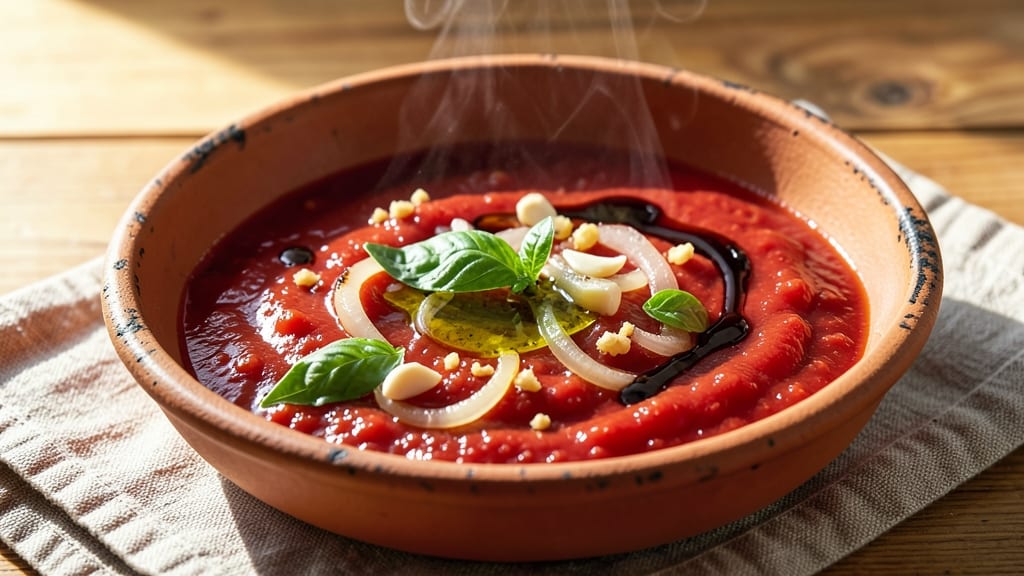
Lidia Bastianich's marinara sauce recipe delivers the kind of depth and brightness that elevates every Italian meal—think restaurant-quality tomato richness with her signature touch of fresh herbs. The secret lies in slow simmering crushed tomatoes with garlic and olive oil, allowing flavors to develop naturally over time. I’ve perfected this version to balance sweetness and acidity, ensuring each spoonful is vibrant and full-bodied.
What sets this marinara apart is Lidia’s technique of reducing the sauce until it thickens just enough to coat pasta beautifully without being gluey. Fresh basil added at the end keeps the flavor bright and aromatic, while a splash of aged vinegar adds the perfect tang.
The result? A sauce that’s simple yet sophisticated, perfect for weeknight dinners or special occasions.
This sauce builds flavor through patience—simmering for at least 45 minutes allows the tomatoes to break down into a velvety consistency. The garlic infuses deeply, and the herbs release their essence, creating layers of taste that store-bought versions can’t match.
Serve it over al dente pasta, drizzle it on bruschetta, or use it as a base for hearty meatballs.
Once cooled, this marinara keeps well in the refrigerator for up to a week, or you can freeze it for months. The longer it sits, the better it tastes—flavors meld and deepen over time.
Whether you’re feeding a family or meal prepping for the week, this is the marinara sauce that will become your go-to for years to come.
Ingredients for lidia's marinara sauce
Nine simple ingredients transform into Lidia's restaurant-quality marinara sauce.
| Ingredient | Amount | Notes |
|---|---|---|
| Extra-Virgin Olive Oil 🫒 | ½ cup | High quality, fruity preferred |
| Garlic Cloves 🧄 | 4 cloves | Peeled and lightly crushed |
| Medium Yellow Onion 🧅 | 1 whole | Finely chopped, about 1 cup |
| San Marzano Crushed Tomatoes 🍅 | 28 oz | High quality canned tomatoes |
| Fresh Basil Leaves 🌿 | ½ cup | Packed, stems removed |
| Aged Balsamic Vinegar 🍷 | 1 tbsp | For depth and tang |
| Sea Salt 🧂 | 1 tsp | Fine grain preferred |
| Freshly Ground Black Pepper 🌶️ | ½ tsp | Adjust to taste |
| Red Wine (optional) 🍷 | ¼ cup | Dry red for richness |
| Sugar 🍚 | 1 tsp | Balances acidity |
The tomatoes are non-negotiable here—San Marzano is the gold standard, but any high-quality crushed tomatoes work. I grab mine in the Italian foods aisle at Whole Foods or Trader Joe's—look for cans with no added salt. The garlic should be fresh and plump, not shriveled. For the basil, farmers market leaves have the most vibrant flavor, but grocery store basil works in a pinch. The olive oil? Use something you'd drizzle on bread—the good stuff makes all the difference. If you're feeling fancy, add the red wine (any dry red works—Cabernet, Merlot, whatever's open).
No San Marzano? Any good-quality crushed tomatoes will do—just check the label for no added salt. Fresh basil? Dried basil at one-third the amount works, but fresh is ideal. Out of balsamic vinegar? White wine vinegar or apple cider vinegar both work. The sugar balances the acidity—skip it if your tomatoes are naturally sweet. Want more depth? Add a pinch of red pepper flakes for subtle heat. The onion can be swapped for frozen chopped onions if you're in a rush, but fresh is better. And if you don't have red wine, extra tomato paste adds richness.
This sauce tastes even better the next day—flavors meld beautifully when left to sit. Keeps in the fridge for up to 1 week in an airtight container, or freeze for up to 6 months. I usually make a big batch and freeze portions in ice cube trays for easy single-serving use. When reheating, add a splash of water to loosen it up if it's too thick. Trust me, the longer it sits, the richer it gets.
Why You'll Love This Recipe
- No-Fuss Simplicity: I swear by this recipe because it’s the kind of sauce you can make while chatting with someone—or pretending to listen. Sauté onions and garlic in olive oil until they’re golden, toss in crushed San Marzano tomatoes, and simmer. That’s it. No blenders, no straining, no stress.
- Umami Bomb: The moment that garlic hits the oil and starts to caramelize? Pure magic. The San Marzano tomatoes add natural sweetness, while fresh basil at the end gives it that bright, aromatic finish. It’s the kind of flavor that makes you pause mid-bite and go, “Wait, is this really just tomato sauce?”
- Weeknight to Dinner Party: This sauce works just as well for a quick weeknight pasta as it does for impressing guests. Double the batch, freeze half, and you’ve got a backup for lazy days. Or serve it with grilled chicken and crusty bread—suddenly, you’re hosting.
- Budget-Friendly Staple: A single jar of San Marzano tomatoes and a bunch of basil stretch across multiple meals. No fancy ingredients, no waste—just rich, reliable flavor that turns cheap pantry staples into something special. Honestly, it’s my go-to for feeding the whole family without breaking the bank.
Step-by-step instructions for Lidia Bastianich's marinara sauce
This is how Lidia makes her signature sauce—simple, flavorful, and full of authentic Italian richness.
Sauté Onion and Garlic in Olive Oil
Heat the 0.5 cup extra-virgin olive oil in a large, heavy-bottomed saucepan over medium-low heat. Add the 1 whole medium yellow onion, finely chopped, and cook for 8-10 minutes until soft and translucent. You'll know it's ready when the onion releases its sweet aroma and loses its sharp bite.
Add the 4 cloves garlic cloves, peeled and lightly crushed, and cook for another 1-2 minutes until fragrant but not browned. Garlic burns quickly, so keep an eye on it. If the oil starts to smoke, reduce the heat slightly. This slow cooking builds flavor without bitterness.
Deglaze with Wine and Add Tomatoes
If using, pour in the 0.25 cup red wine and let it simmer for 3-4 minutes until mostly evaporated. The alcohol will cook off, leaving behind rich, concentrated flavor. This step is optional but adds depth—skip it if you prefer a simpler sauce.
Add the 28 oz San Marzano crushed tomatoes, 1 tsp sugar, 1 tbsp aged balsamic vinegar, 1 tsp sea salt, and 0.5 tsp freshly ground black pepper. Stir well to combine. The sugar balances the acidity of the tomatoes, while the balsamic vinegar adds a subtle tang that brightens the sauce.
Simmer Until Thick and Flavorful
Bring the sauce to a gentle simmer over medium heat, then reduce to low heat. Let it cook uncovered for 30-40 minutes, stirring occasionally. You're looking for a sauce that thickens slightly but remains smooth—it should coat the back of a spoon.
Taste and adjust seasoning as needed. If the sauce is too acidic, add a pinch more sugar. If it needs more depth, a splash of water or a pinch of salt can help. The key is patience—rushing this step results in a thin, watery sauce instead of Lidia's velvety, rich marinara.
Finish with Fresh Basil and Rest
Remove the sauce from heat and stir in the 0.5 cup fresh basil leaves, packed and stems removed. Let the sauce sit for 5 minutes to allow the basil to infuse its bright, aromatic flavor. The heat will wilt the basil slightly, releasing its oils into the sauce.
Taste one last time and adjust seasoning if needed. Lidia's marinara should be balanced—sweet from the tomatoes, tangy from the balsamic, and fresh from the basil. Serve immediately over pasta or save for later—it tastes even better the next day as the flavors meld.
Pro Tips For Making Lidia'S Marinara Sauce
- LOW AND SLOW WINS: I used to rush the simmering stage—big mistake. Lidia’s marinara needs gentle heat (medium-low) for at least 45 minutes to develop depth. If your sauce reduces too fast, add a splash of water or broth and keep it moving. The goal is concentration, not charring.
- MINCE THAT ONION: Skip the chopping board—finely mince that onion by hand (or pulse in a food processor) until it’s almost paste-like. I learned this the hard way: chunky onions make the sauce look uneven and taste like they’re fighting for space. A smooth base blends better with the tomatoes and garlic.
- SALT THE TOMATOES FIRST: Add a pinch of salt to the crushed San Marzano tomatoes before they hit the pan. It draws out excess water and intensifies their sweetness—something I only noticed after tasting a batch where I skipped this step. Trust me, your sauce will taste brighter and more balanced.
- RESERVE THAT BASIL: Don’t toss all the basil in at once. Save a handful to fold in at the very end—right when you plate it. The heat turns fresh basil bitter fast, and a few leaves on top keep the flavor vibrant. (Yes, even if you’re impatient like me.)
Health benefits of this lidia's marinara sauce
Tomato-Rich Antioxidants
This marinara is packed with lycopene, a powerful antioxidant found in tomatoes that helps protect your cells from damage. Cooking tomatoes actually increases lycopene absorption—so the longer you simmer this sauce, the more beneficial compounds you get.
A 1-cup serving provides about 30% of your daily lycopene needs, which supports heart health and may reduce inflammation. 💪
Herb-Packed Nutrients
The fresh basil and garlic in this sauce add more than just flavor—they bring valuable nutrients. Basil contains vitamin K (essential for blood clotting) and vitamin A (important for vision), while garlic provides allicin, a compound with immune-boosting properties.
The combination creates a flavor powerhouse that's also good for you.
Heart-Healthy Fats
The extra-virgin olive oil used in this recipe provides monounsaturated fats, the same heart-healthy fats found in the Mediterranean diet. These fats help lower bad cholesterol while maintaining good cholesterol levels.
Just 2 tablespoons of olive oil in this sauce provides about 30% of your daily recommended intake of these beneficial fats.
Low-Calorie Comfort
Despite its rich flavor, this marinara is surprisingly light—about 70-80 calories per ½-cup serving. The combination of tomatoes, herbs, and minimal added fat makes it a guilt-free way to add depth to meals.
It's perfect for those watching their calorie intake but still want restaurant-quality flavor. The balsamic vinegar adds tang without significant calories.
Digestive Benefits
The fiber from tomatoes and the probiotic-friendly environment created by slow cooking make this sauce gentle on digestion. The natural acids in tomatoes also aid in breaking down food proteins, making this marinara particularly good for those with sensitive stomachs.
Plus, the absence of heavy cream or butter makes it easier to digest than many other sauces. 🌿
Blood Sugar Balance
While tomatoes contain natural sugars, the fiber and acidity in this marinara help balance blood sugar levels. The 1 tsp sugar added is minimal and gets balanced by the tomatoes' natural sweetness.
For a lower-sugar option, you can reduce this to ½ tsp or use a sugar substitute like monk fruit sweetener without sacrificing flavor.
Nutrition facts
Frequently asked questions
Can I make this marinara sauce without wine?
The red wine adds depth but isn't essential. Simply omit it and increase the tomato amount by 2 oz to maintain richness. The balsamic vinegar will still provide the necessary acidity to balance flavors. For extra depth, add 1 tbsp tomato paste when combining ingredients.
Why does Lidia's marinara taste better the next day?
The flavors develop as the sauce cools and rests, allowing the tomatoes to break down further and the herbs to infuse completely. The acidity also mellows slightly, creating a more balanced taste. For best results, refrigerate leftovers and reheat gently before serving.
How do I prevent my marinara from becoming too thick?
Add 2-3 tablespoons of water or broth while simmering if the sauce thickens too much. Lidia's version should coat the back of a spoon but remain smooth. If it's too thin, continue simmering uncovered until it reaches the desired consistency. Stir occasionally to prevent sticking.
Can I use dried basil instead of fresh?
Yes, but use 1 teaspoon dried basil (about 1/3 the amount of fresh). Dried basil has a more concentrated flavor, so add it gradually. For best results, crush the dried leaves between your fingers before adding to release the aroma. Fresh basil adds brightness, but dried works in a pinch.
What's the best way to store leftover marinara?
Transfer to an airtight container and refrigerate for up to 7 days. For longer storage, freeze in ice cube trays or small portions for easy thawing. When reheating, warm gently on the stove or microwave with a splash of water to restore texture. Avoid freezing with fresh basil—add it fresh when reheating.