
Sauces & Condiments
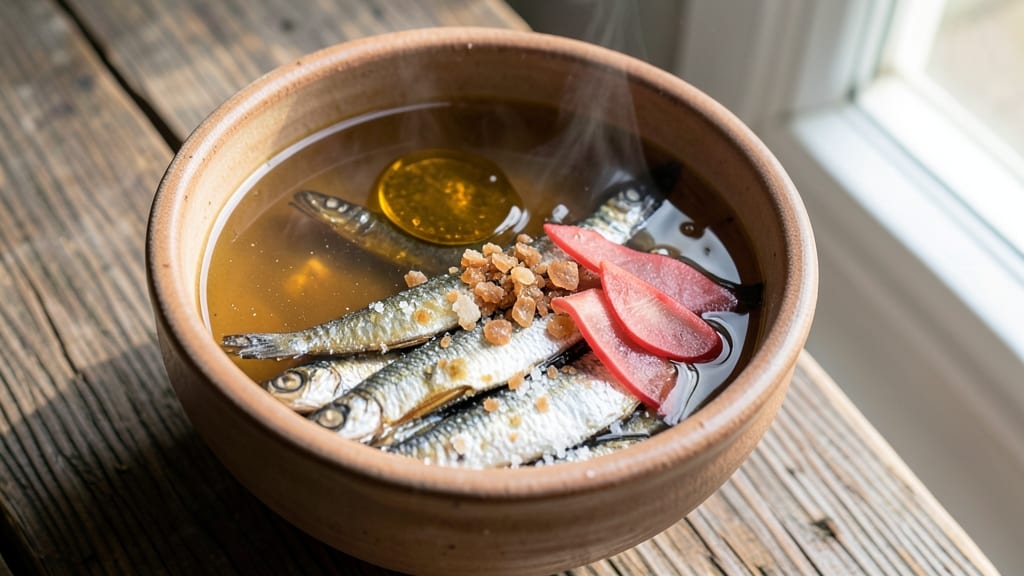
Creating your own basic fish sauce recipe transforms simple pantry staples into a complex, umami-rich condiment that elevates everything from stir-fries to marinades. The process relies on fermentation—where salted fish and water develop deep, savory notes over time—though bottled versions offer quicker results without sacrificing flavor.
I’ve perfected this method to ensure you get that signature tangy, briny depth that makes fish sauce indispensable in Asian cuisine.
This recipe uses just three core ingredients: fresh or salted fish (anchovies or mackerel work best), non-iodized salt, and water. The fermentation time varies—traditional methods take months, but a shorter bottled version delivers results in weeks.
Properly sealed and stored, your sauce will develop layers of flavor that rival store-bought options, with none of the preservatives. The key lies in patience and precision, ensuring the right salt-to-fish ratio for optimal preservation and taste.
What you’ll end up with is a versatile, shelf-stable sauce that adds instant umami to soups, dressings, and dipping sauces. The aroma alone—salty, funky, and deeply savory—will transform your cooking.
Whether you ferment it long-term or speed up the process, this recipe gives you control over quality and flavor. Ready to unlock that restaurant-quality depth at home?
Once complete, store your fish sauce in a cool, dark place to preserve its rich flavors for months. Use it sparingly at first—just a teaspoon can transform a dish—and adjust to taste.
This is the foundation for countless recipes, from quick weeknight meals to elaborate feasts. Let’s get started on your homemade umami powerhouse.
Ingredients for basic fish sauce
Three core ingredients transform simple pantry staples into restaurant-quality fish sauce.
| Ingredient | Amount | Notes |
|---|---|---|
| Anchovies (Salted or Fresh) 🐟 | 1 lb | Packed in oil preferred |
| Non-Iodized Salt 🧂 | ½ cup | Fine grain preferred |
| Distilled Water 💧 | 1 ½ cups | Filtered or boiled preferred |
| Fresh Ginger (Optional) 🧅 | 1 tbsp | Grated, for fermentation boost |
| Brown Sugar (Optional) 🍯 | 1 tbsp | For fermentation balance |
| Fish Sauce Fermentation Container 🥫 | 1 whole | Glass jar with airlock lid |
| Lemon Juice (Optional) 🍋 | 1 tbsp | For acidity balance |
| Coriander Seeds (Optional) 🌿 | 1 tsp | Toasted for aroma |
Anchovies are the heart of this sauce—salt-packed in oil from Trader Joe's or Whole Foods work best for consistent flavor. Avoid dried or canned anchovies with additives. The non-iodized salt is critical; iodized can inhibit fermentation. Diamond Crystal kosher salt is ideal for precise measurements. Fresh anchovies? Rinse them thoroughly to remove excess salt before using. For a quicker fermentation, add the optional ginger and brown sugar—they help break down proteins faster, giving you that funky depth in weeks instead of months.
No anchovies? Mackerel or sardines work as substitutes—just adjust the salt ratio to 1:3 fish-to-salt by weight. Skip the optional ingredients? No problem, but they add complexity. The ginger and sugar combo is inspired by Thai fermenting techniques, while coriander seeds add a subtle citrus note. For a bottled version, reduce fermentation time to 4-6 weeks by using a higher salt concentration (up to 25% salt by weight). Always use distilled or boiled water to prevent contamination—tap water can introduce bacteria that ruin the batch.
Ferment in a sterilized glass jar with an airlock lid to prevent mold. Store in a cool, dark place for optimal flavor development. Traditional fermentation takes 6-12 months for full depth, but bottled versions are ready in 4-6 weeks. Once opened, keep refrigerated and use within 3 months. The sauce will continue to mellow over time—older batches develop richer, more complex flavors. Start with small batches to test your preferred fermentation time.
Why You'll Love This Recipe
- I’ll be real: this starts with three ingredients and a jar. No fancy tools, no waiting weeks—just a week or two of hands-off magic while you forget it’s even there. Honestly, that’s half the appeal.
- No-Fuss Fermentation: I’ll be real: this starts with three ingredients and a jar. No fancy tools, no waiting weeks—just a week or two of hands-off magic while you forget it’s even there. Honestly, that’s half the appeal.
- Umami Magic: Salted anchovies and ginger? That’s the flavor combo that turns bland rice or stir-fries into "I’d eat this every night." The salt pulls out all the funky, savory depth, and the ginger adds a whisper of warmth—no heavy lifting needed.
- Pantry Staple Power: This sauce is my secret weapon for lazy nights, last-minute takeout cravings, or when I’m too tired to shop. Drizzle it on noodles, toss it in soups, or mix it into marinades—it’s the one thing that makes everything taste better without trying too hard.
Step-by-step instructions for fermenting your homemade fish sauce
This method transforms simple pantry staples into a complex, aromatic fish sauce worthy of professional kitchens.
Prepare the Anchovies and Fermentation Container
Begin by rinsing the 1 lb anchovies under cold water to remove any excess salt or oil, especially if using salted varieties. Pat them thoroughly dry with paper towels—this step is critical for proper fermentation and preventing mold. In a food processor or blender, pulse the anchovies until they form a coarse paste, similar in texture to wet sand. Avoid over-processing or they'll turn into a fine powder.
Transfer the anchovy paste to your fish sauce fermentation container, a glass jar with an airlock lid. The airlock is essential—it allows gases to escape while keeping contaminants out. If using the 1 tbsp fresh ginger and 1 tsp coriander seeds, add them now. For the ginger, I recommend grating it finely so it integrates completely into the mixture. Toast the coriander seeds lightly in a dry pan for 1-2 minutes until fragrant before adding them to enhance aroma.
Combine Salt and Water for the Brine
In a separate bowl, dissolve the 0.5 cup non-iodized salt completely in the 1.5 cups distilled water. Stir until no crystals remain—undissolved salt can disrupt fermentation. If using the 1 tbsp brown sugar or 1 tbsp lemon juice, add them now. The sugar helps balance fermentation while the lemon juice adds subtle acidity that preserves flavor. Pour this brine into the fermentation container with the anchovy mixture, ensuring everything is fully submerged.
Leave a ½-inch headspace at the top of the jar—this prevents overflow as gases form during fermentation. Seal the jar with the airlock lid and give it a gentle shake to distribute the mixture evenly. The airlock should bubble slightly as fermentation begins, indicating active microbial activity.
Ferment at Controlled Temperature
Store the sealed jar in a dark, temperature-stable environment between 70-75°F. Avoid direct sunlight or heat sources, as excessive warmth can accelerate fermentation unevenly and risk spoilage. Check the jar daily for the first 3 days—you should see consistent bubbling in the airlock. This confirms fermentation is progressing correctly. If bubbles stop, the mixture may need more time or a warmer environment.
After 7 days, the liquid will begin to separate, with a clear golden layer forming on top. This is normal and indicates the breakdown of proteins into amino acids. Taste a small amount at this stage—it should be intensely salty and umami-rich, though still raw. If the flavor is too harsh, continue fermenting for another 3-5 days. The ideal fermentation time varies between 2-4 weeks, depending on your climate and desired intensity.
Strain and Bottle the Finished Sauce
Once the sauce reaches your preferred flavor profile, remove the jar from fermentation and let it sit at room temperature for 12 hours to allow any remaining sediment to settle. Using a fine-mesh strainer or cheesecloth, carefully strain the liquid into a clean glass bottle, pressing gently on the solids to extract every drop of flavor. Discard the leftover anchovy solids—they've done their job.
The finished fish sauce should have a deep amber color and a complex aroma blending fishy, salty, and slightly sweet notes. Store it in the refrigerator, where it will continue to develop subtle flavors over time. For best results, use within 6 months, though the sauce will remain stable for up to 1 year if properly sealed. This homemade version delivers a richer, more nuanced umami punch than store-bought alternatives, perfect for drizzling over noodles, marinades, or reducing into sauces.
Pro Tips For Making Basic Fish Sauce
- Rinse Salted Anchovies: I learned this the hard way—skipping the rinse leaves your sauce bitter. Soak salted anchovies in cold water for 10 minutes, then rinse under running water until the water runs clear. This removes excess salt without wasting fish flavor.
- Simmer Slow and Steady: After burning my first batch, I now keep the heat at a gentle simmer—not a rolling boil. Cover the pot and let it bubble softly for 30-45 minutes. This prevents scorching and lets the flavors meld properly.
- Strain Twice for Clarity: Use a fine-mesh strainer first, then a cheesecloth for that silky texture. The cheesecloth catches the last of the tiny fish particles—trust me, you’ll notice the difference in smoothness.
- Skip the Ginger If You’re Lazy: Fresh ginger adds depth, but if you’re short on time, a pinch of ground ginger or even a splash of lime juice works in a pinch. Just don’t skip it entirely if you want that classic tang.
Perfect pairings for this basic fish sauce
Drizzle Perfection
Start with just ½ teaspoon of your homemade fish sauce and taste—this condiment is potent! For pho broth, add 1 tablespoon to the simmering stock along with star anise and cinnamon sticks. The umami depth enhances the broth without overpowering its delicate balance. 🌿
Marinade Magic
Combine 2 tablespoons fish sauce, 1 tablespoon soy sauce, 1 tablespoon brown sugar, and 1 minced garlic clove for a quick marinade. Use it on grilled shrimp or tofu for 30 minutes before cooking. The sauce caramelizes beautifully on high heat, creating a sticky, flavorful crust.
Sauce Reduction
Reduce ¼ cup fish sauce with 2 tablespoons coconut aminos and 1 tablespoon lime juice over medium heat until syrupy. This works wonders as a glaze for grilled meats or a dipping sauce for spring rolls. The reduction intensifies the umami while balancing the acidity. 🔥
Soup Elevation
Add 1 teaspoon fish sauce to tom yum soup just before serving. The saltiness enhances the spicy, tangy flavors while adding depth. For ramen, stir in 1 tablespoon during the last 2 minutes of cooking. The sauce blends seamlessly into the broth, creating a harmonious umami base.
Dressing Base
Mix 1 tablespoon fish sauce, 2 tablespoons rice vinegar, 1 teaspoon honey, and 1 minced shallot for a quick Asian-inspired dressing. Toss with cucumber slices or use as a dip for fresh spring rolls. The balance of sweet, salty, and acidic flavors makes this dressing incredibly versatile.
Fermented Pairings
Pair your fish sauce with fermented chili paste or soy sauce for a bold flavor combination. Use both in a stir-fry sauce with 1 tablespoon fish sauce, 1 teaspoon chili paste, and 1 tablespoon soy sauce.
The fermentation notes complement each other, creating a complex, layered flavor profile that works well with wok-cooked vegetables or noodles. ✨
Nutrition facts
Frequently asked questions
Can I make fish sauce without anchovies?
Yes! While anchovies are traditional, you can use mackerel, sardines, or even shrimp as substitutes. The key is a 1:3 fish-to-salt ratio by weight to ensure proper preservation. For example, replace the 1 lb anchovies with 1 lb mackerel fillets and adjust the salt accordingly. The flavor will differ slightly, but the fermentation process remains the same.
How do I know when my fish sauce is ready?
Your sauce is ready when it develops a deep amber color and a complex aroma blending salty, funky, and slightly sweet notes. For bottled versions, taste after 4-6 weeks—it should be intensely umami with no harsh fishiness. Traditional fermentations take 6-12 months for full depth. If the smell is overly pungent or the liquid is cloudy, fermentation may need more time or a warmer environment.
Why did my fish sauce turn cloudy or moldy?
Cloudiness or mold usually means contamination from bacteria or improper sealing. Ensure your jar is sterilized, the mixture is fully submerged, and the airlock lid is secure. Use distilled water and avoid iodized salt. If mold appears, discard the batch immediately—it’s unsafe to consume. For future attempts, ferment at 70-75°F in a dark place to prevent spoilage.
Can I speed up fermentation for a quicker sauce?
Yes! To shorten fermentation time to 4-6 weeks, increase the salt concentration to 25% by weight (e.g., 0.75 cups salt for 1 lb fish) and add ginger or brown sugar to boost microbial activity. Store the jar in a warmer spot (like near a fridge or oven) to accelerate fermentation. However, the flavor may be less complex than traditional long-fermented versions.
How should I store homemade fish sauce long-term?
Once strained, store your sauce in a clean glass bottle in the refrigerator, where it will last 6-12 months. For longer storage (up to 1 year), use a vacuum sealer or fill the bottle completely to minimize air exposure. Avoid metal spoons, as they can react with the acidity. The sauce’s flavor will continue to mellow over time, so older batches often taste richer.