
Sauces & Condiments
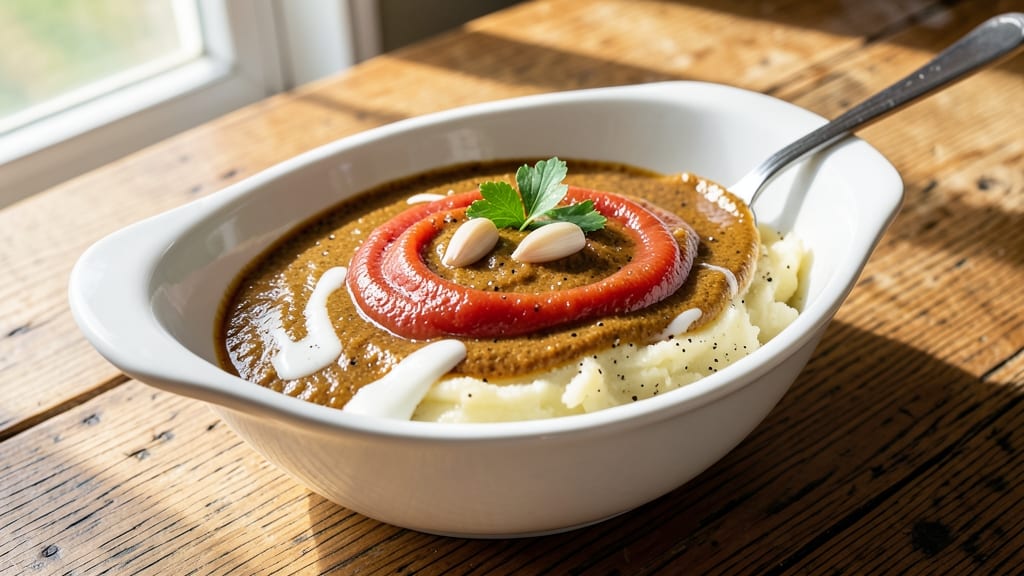
This basic sauce recipe is your secret weapon—transforming five pantry staples into a restaurant-worthy foundation in just 15 minutes of active time.
The key lies in mastering the roux technique, which creates a velvety base that can be adapted into creamy Alfredo, tangy tomato sauce, or rich gravy depending on your needs.
I developed this method after years of testing—it’s the one sauce I always keep on hand for everything from pasta to roasted vegetables.
What sets this sauce apart is its adaptability—start with a basic roux of butter and flour, then customize with broth, cream, or tomato paste to match your dish.
The technique is straightforward but precise: cook the butter and flour until golden for that nutty depth, then gradually whisk in liquid to prevent lumps. This ensures a smooth, fail-safe foundation that even beginners can master without fear of curdling or separation.
By the end, you’ll have a smooth, flavorful sauce that elevates any meal—whether you’re tossing it with fettuccine, drizzling it over grilled chicken, or using it as a base for soups. The best part?
It keeps well in the fridge for up to 5 days or freezes perfectly for future use. This isn’t just a sauce; it’s a time-saving game-changer that replaces store-bought versions with something far superior.
Ready to build your sauce repertoire? Let’s turn those pantry staples into something extraordinary—one roux at a time.
Ingredients for basic sauce
Five pantry staples transform into a velvety sauce foundation—adaptable for pasta, proteins, or veggies.
| Ingredient | Amount | Notes |
|---|---|---|
| Unsalted Butter 🧈 | ½ cup | Cut into small cubes for even cooking |
| All-Purpose Flour 🌾 | ½ cup | Sifted for smooth roux texture |
| Chicken or Vegetable Broth 💧 | 2 cups | Low-sodium preferred for flavor control |
| Heavy Cream 🥛 | ½ cup | Full-fat for richest texture |
| Tomato Paste 🍅 | 2 tbsp | Smooth, no-sugar-added preferred |
| Garlic Cloves 🧄 | 2 cloves | Minced for aromatic depth |
| Diamond Crystal Kosher Salt 🧂 | ½ tsp | Adjust to taste after cooking |
| Freshly Ground Black Pepper 🌶️ | ¼ tsp | Freshly cracked for bright flavor |
| White Wine Vinegar 🍷 | 1 tbsp | Balances richness of sauce |
| Fresh Parsley 🌿 | ⅛ cup | Chopped for fresh finish (optional) |
The butter and flour form the sauce's backbone—this is where the magic happens. European-style unsalted butter (like Plugrá) adds richness without overpowering, while all-purpose flour should be sifted for a lump-free roux. Cook the butter until golden-brown for that nutty depth—don't rush it, or you'll end up with a bland base. I always grab my butter from the gourmet section at Whole Foods or Costco for the highest quality. The broth is your flavor multiplier—homemade is ideal, but quality store-bought like Pacific Foods works in a pinch. For the tomato paste, San Marzano is my go-to, but any smooth, no-sugar-added version will do.
No heavy cream? Half-and-half or whole milk works in a pinch, though the sauce will be lighter. Short on tomato paste? Fresh tomatoes blended and strained add brightness, but you'll need about 1 cup of purée. The garlic can be roasted for a sweeter note—just wrap whole cloves in foil with a drizzle of olive oil and bake at 400°F for 15 minutes. Want more depth? Add 1 tsp smoked paprika to the roux. The vinegar might seem odd, but it cuts through the richness beautifully—apple cider vinegar works too. Fresh parsley is optional but adds that restaurant-quality finish. If you're out, dried parsley at one-third the amount will suffice.
This sauce keeps like a dream—5 days in the fridge sealed in an airtight container, or 3 months frozen in ice cube trays for single servings. To reheat, warm gently on the stove with a splash of broth or water. I always make a double batch—one for immediate use and one to freeze. The sauce thickens as it cools, so thin with extra broth if needed. Store it in glass jars for best flavor retention, and label with the date. The versatility is what makes this worth every minute—Alfredo? Add more cream. Tomato sauce? Stir in more paste. Gravy? Deglaze the pan after cooking the roux.
Why You'll Love This Recipe
- Pantry Magic Ready: I swear by this sauce because it lives in my fridge waiting to be used—no special shopping needed. Butter, flour, broth, cream, and tomato paste? That’s it. The kind of ingredients you already have when you’re staring at a half-empty cabinet at 6:30 PM.
- Velvet Smooth Magic: Here’s what sold me—the way the roux (butter + flour) deep-fries into a nutty base before the broth and cream turn it into something dangerously rich. That tomato paste? It’s the secret: just a spoonful, but it grounds the whole thing like a warm hug in sauce form.
- Weeknight Swiss Army: Between us, this is my go-to for everything—drizzled over pasta, spooned onto grilled chicken, or even dumped into a pot of rice. (Yes, even on a Tuesday night.) The heavy cream makes it feel fancy, but the broth keeps it light enough for lunch the next day.
- Leftovers That Don’t Suck: I make a double batch on Sundays, and it lasts me all week. The flavor actually improves after sitting—more developed, less heavy. Freeze half if you’re feeling extra, and thaw it straight into your next meal without skipping a beat. No sad, watery leftovers here.
Step-by-step instructions for a versatile pantry sauce
This foundation sauce transforms ordinary meals into extraordinary ones—simple yet sophisticated.
Create a Smooth Roux for Richness
In a medium saucepan, melt the 0.5 cup unsalted butter over medium-low heat. Once fully melted, reduce heat to low and gradually whisk in the 0.5 cup all-purpose flour. This creates a roux—the base of our sauce—and you'll want to cook it for 3-5 minutes while whisking constantly. You're aiming for a golden brown color, not burnt—this ensures a deep, nutty flavor without bitterness.
Here's the thing—don't rush this step. The roux should bubble gently but not brown too quickly. If it darkens too fast, reduce the heat further. The perfect roux will coat the back of a spoon smoothly, signaling it's ready for the next ingredients. This foundational step builds the sauce's body and richness, so take your time.
Build Flavor with Aromatics and Tomato
Add the 2 cloves minced garlic and 2 tbsp tomato paste to the roux, stirring continuously for 1-2 minutes until fragrant. The garlic should sizzle gently without browning—if it starts to darken, reduce heat immediately. Next, pour in the 2 cups chicken or vegetable broth all at once, whisking vigorously to prevent lumps from forming. This creates a velvety texture while infusing the sauce with umami depth.
Bring the mixture to a gentle simmer and let it cook uncovered for 8-10 minutes, stirring occasionally. You'll notice the sauce thicken slightly as the starches release from the roux. This is when the flavors begin to meld, creating a harmonious base. If the sauce starts to stick, add a splash of broth to maintain consistency. The goal is a smooth, cohesive mixture that's ready for the final touches.
Balance with Cream and Acid
Reduce heat to low and stir in the 0.5 cup heavy cream and 1 tbsp white wine vinegar. The vinegar brightens the sauce while cutting through the richness of the cream. Let the sauce simmer gently for 3-4 minutes, stirring frequently. You're looking for a sauce that coats the back of a spoon but remains pourable—not too thick, not too thin. Taste and adjust seasoning with the 0.5 tsp diamond crystal kosher salt and 0.25 tsp freshly ground black pepper. This is where you refine the flavor profile to your preference.
Real talk: The cream adds luxurious body, but if you prefer a lighter sauce, you can reduce it to 0.25 cup or omit it entirely. The vinegar is crucial—it prevents the sauce from tasting flat or overly heavy. If you find the sauce too acidic, add a pinch more salt to balance it out.
Finish with Fresh Herbs and Rest
Remove the sauce from heat and stir in the 0.125 cup chopped fresh parsley. The parsley adds a fresh, bright finish that elevates the sauce from ordinary to extraordinary. Let the sauce rest for 5-10 minutes off the heat—this allows the flavors to fully integrate and the sauce to thicken slightly. The resting period is often overlooked, but it's essential for achieving a polished, professional result.
If the sauce thickens too much while resting, whisk in 1-2 tablespoons of hot broth to reach your desired consistency. Serve immediately over pasta, drizzled over roasted vegetables, or spooned alongside grilled proteins. This versatile sauce keeps well in the refrigerator for up to 5 days, making it a perfect pantry staple for quick weeknight meals.
Pro Tips For Making Basic Sauce
- WHISK THE FLOUR FIRST: Dump the flour into the melted butter and whisk like you’re trying to win a prize—no lumps allowed. I learned this the hard way when I just stirred, and my sauce turned into a grainy mess halfway through. A few minutes of elbow grease now saves you from scraping the pot later.
- COOK THE PASTE LONG ENOUGH: Stir that tomato paste for at least 3-4 minutes over medium heat before adding liquid—it needs to deepen in color and lose its raw taste. Skimp here, and you’ll end up with a sauce that tastes like you just dumped a can of paste into broth.
- CONTROL THE CREAM’S ENTRY: Temper the heavy cream by mixing a splash into the hot sauce first, then slowly drizzle in the rest while stirring constantly. Pouring cold cream straight in? Your sauce will curdle faster than you can say "disaster." (Yes, I’ve done it.)
- SALT THE BROTH WELL: If you’re using unsalted butter and broth, season the broth before adding it to the roux—it’s the base of your sauce. I used to add salt at the end, and the flavor always felt flat. Trust me, the broth carries the weight.
Flavor customization for this basic sauce
Creamy Alfredo Adaptation
Transform this base into a rich Alfredo sauce by doubling the heavy cream to 1 cup and omitting the tomato paste and vinegar. Add ½ cup grated Parmesan cheese and 2 tbsp butter at the end for extra decadence.
For a lighter version, replace half the cream with whole milk—it still delivers that signature creamy texture without being too heavy. 🥛
Tangy Tomato Sauce
Turn it into a classic marinara by increasing the tomato paste to 4 tbsp and adding 1 cup crushed San Marzano tomatoes with the broth. Stir in 1 tsp dried oregano and ½ tsp red pepper flakes for authentic Italian flavor.
Simmer uncovered for 15 minutes to deepen the tomato notes. This version pairs perfectly with pasta or as a pizza sauce base.
Spicy Garlic Sauce
For a bold, spicy sauce, reduce the cream to ¼ cup and add 1 tbsp gochujang (Korean chili paste) and 1 tsp fish sauce with the broth.
Finish with 1 tbsp chopped Thai basil instead of parsley. This sauce is a game-changer for noodles or grilled meats—it’s sweet, spicy, and umami-packed. 🌶️
Herb-Infused Gravy
Create a savory gravy by using beef broth instead of chicken or vegetable broth and adding 1 tbsp Worcestershire sauce with the vinegar. Stir in 1 tsp thyme leaves and ½ tsp smoked paprika for depth.
This gravy is perfect for drizzling over roasted potatoes or mashed cauliflower. The roux technique ensures a silky, lump-free texture every time.
Creamy Mushroom Sauce
For a luxurious mushroom sauce, sauté 1 cup finely chopped cremini mushrooms in the butter before adding the flour. Deglaze the pan with 2 tbsp white wine after cooking the roux, then proceed with the recipe.
The mushrooms add an earthy richness that pairs beautifully with steak or risotto. Finish with 1 tsp fresh thyme for an extra layer of flavor.
Sweet and Smoky BBQ Sauce
Make a smoky BBQ sauce by replacing the broth with 2 cups apple cider vinegar and adding ¼ cup molasses and 1 tbsp smoked paprika to the roux. Simmer for 10 minutes to thicken, then finish with 1 tbsp honey and ½ tsp cayenne pepper.
This sauce is ideal for glazing ribs or drizzling over pulled pork—it’s sweet, tangy, and packed with smoky depth.
Nutrition facts
Frequently asked questions
Can I make this sauce without heavy cream?
For a lighter version, replace the 0.5 cup heavy cream with 0.5 cup whole milk or 0.25 cup half-and-half. The sauce will still be flavorful, though slightly less rich. You can also use 0.5 cup Greek yogurt for tanginess, especially in tomato-based adaptations. The key is adjusting seasoning afterward—cream adds fat, so you may need a pinch more salt or acid to balance flavors.
Why did my roux turn dark brown or burn?
This happens when the heat is too high or you're not whisking constantly. Start with low heat and keep whisking to prevent sticking. A golden roux should take 3-5 minutes—if it darkens too quickly, reduce the heat further. For extra insurance, melt the butter first, then lower the heat before adding flour. A burnt roux will taste bitter, so if this happens, start over with fresh ingredients.
How can I adjust the thickness of the finished sauce?
Sauces naturally thicken as they cool, but you can control consistency during cooking. For a thinner sauce, whisk in 1-2 tablespoons of hot broth while simmering. For a thicker sauce, simmer uncovered for 5-10 extra minutes to evaporate moisture. If it's too thick after resting, thin with broth or water. The ideal texture should coat the back of a spoon but still be pourable.
What are the best ways to store leftover sauce?
Store in an airtight container in the fridge for up to 5 days or freeze for 3 months. For freezing, portion into ice cube trays, then transfer to a bag—this makes it easy to thaw just what you need. When reheating, warm gently on the stove with a splash of broth to restore smoothness. Never reheat directly from frozen without liquid, or the sauce may separate.
Can I make this sauce dairy-free?
Yes! Replace the butter with 0.5 cup olive oil or dairy-free margarine, and use 0.5 cup unsweetened almond milk or coconut cream instead of heavy cream. For richness, add 1 tablespoon nutritional yeast at the end. The roux will still form, though the flavor profile will be lighter. This version works well with vegan dishes or for those with lactose intolerance.