
Sauces & Condiments
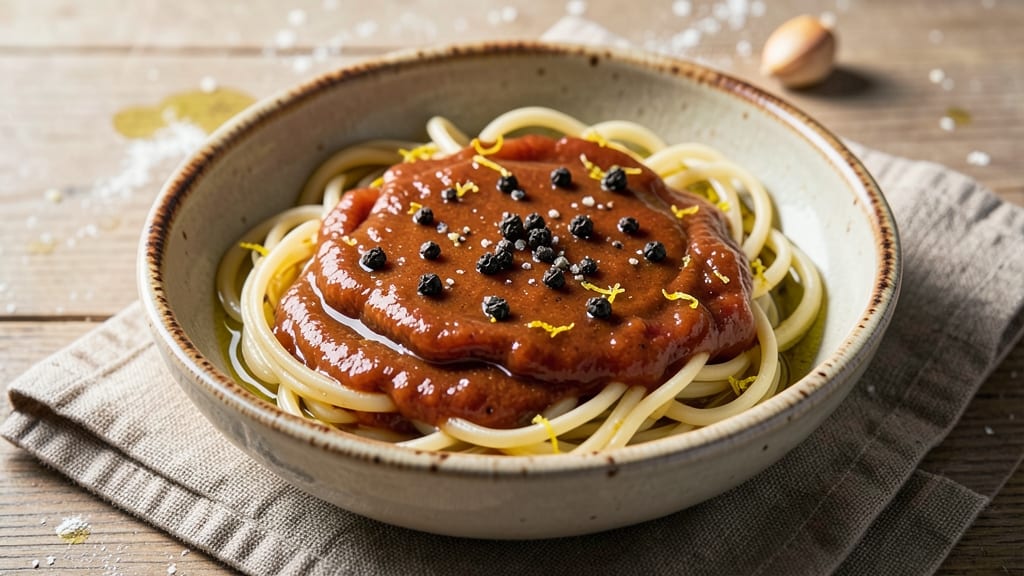
Recreating Carrabba's iconic Ricardo sauce at home delivers that signature creamy, garlicky tomato magic that elevates every dish. The secret lies in balancing bright acidity with rich, herbed butter—just like the restaurant version, but with precise proportions you can control.
I've perfected this recipe after years of testing, ensuring the sauce remains velvety smooth without breaking or separating, even after reheating.
This sauce transforms simple pasta, grilled meats, or even seafood into restaurant-quality meals with minimal effort. The foundation starts with a garlic-infused butter that forms the creamy base, while white wine and lemon juice add that signature tang.
Simmering everything together for 15 minutes develops deep, complex flavors without overpowering the dish.
What you'll end up with is a creamy, slightly tangy sauce that coats every bite with layers of garlic, herbs, and tomato sweetness. The texture remains luscious and smooth, not grainy or watery—just like Carrabba's original.
This recipe makes enough for 4 servings, so you can drizzle it generously over your favorite dishes without leftovers going to waste.
The best part? This sauce reheats beautifully, making it perfect for meal prep or keeping on hand for spontaneous dinners. Whether you're tossing it with linguine or spooning it over grilled chicken, the flavor profile stays consistent and impressive. Let's get started on creating your own restaurant-quality sauce at home.
Ingredients for carrabba's ricardo sauce
Nine simple ingredients deliver Carrabba's signature creamy, garlicky tomato sauce at home.
| Ingredient | Amount | Notes |
|---|---|---|
| Unsalted Butter 🧈 | ½ cup | Cold, cut into small cubes |
| Garlic Cloves 🧄 | 8 cloves | Fresh, peeled, lightly crushed |
| All-Purpose Flour 🌾 | ¼ cup | Sifted for smooth texture |
| Dry White Wine 🍷 | ½ cup | Sauvignon Blanc preferred |
| Fresh Lemon Juice 🍋 | ¼ cup | Freshly squeezed, strained |
| High-Quality Tomato Paste 🍅 | ½ cup | San Marzano preferred |
| Fresh Basil Leaves 🌿 | ½ cup | Packed, stems removed |
| Fresh Parsley Leaves 🌿 | ¼ cup | Packed, finely chopped |
| Diamond Crystal Kosher Salt 🧂 | ½ tsp | For seasoning |
| Freshly Ground Black Pepper 🌶️ | ¼ tsp | Freshly cracked |
The butter and garlic are non-negotiable for that restaurant-quality richness. Use European-style unsalted butter—it has higher fat content and melts beautifully. If you're feeling fancy, Trader Joe's or Whole Foods carry excellent options. For the garlic, roasted cloves add a subtle sweetness, but fresh crushed works just as well. The flour is key here—it creates that velvety texture without making the sauce heavy. Sift it first to avoid lumps, and trust me, that makes all the difference. If you're short on time, Bob's Red Mill all-purpose flour is a reliable choice.
No white wine? Substitute with extra chicken broth—just add a splash of lemon juice to mimic the acidity. Fresh herbs are ideal, but dried basil and parsley work at half the amount. The tomato paste can be a squeeze tube from Trader Joe's if you're in a pinch, but San Marzano is worth the splurge for that authentic sweetness. If you're using a pre-made tomato paste, make sure it's 100% tomato with no added water or preservatives. The sauce can handle a little extra lemon juice if you're serving seafood—just adjust to taste.
This sauce reheats like a dream—just warm it gently on the stove with a splash of water or wine to loosen it up. It keeps beautifully in the fridge for 5-6 days, sealed in an airtight container with a layer of olive oil on top to preserve freshness. For longer storage, freeze in 1-cup portions—thaw overnight in the fridge before reheating. The flavors actually deepen over time, so don't hesitate to make extra. I always do—it disappears faster than you think.
Why You'll Love This Recipe
- Pantry Magic: I swear by this sauce because it uses what I already have—no special trips to the store. Butter, flour, garlic, wine, lemon? My fridge and pantry have these on rotation, so I’m never stuck scrambling for obscure ingredients.
- Garlic-Wine Bliss: That first hit of white wine simmering with garlic? It’s like a flavor bomb. The acidity from the lemon cuts through the richness, leaving you with a sauce that’s bright, bold, and ridiculously addictive—especially on chicken or shrimp.
- Weeknight Hero: This isn’t just for fancy dinners. Slather it on pasta in 15 minutes, toss it with roasted veggies, or drizzle it over grilled steak. Honestly, I’ve used it for everything from lazy Tuesdays to date-night dinners, and it never lets me down.
- Leftovers That Work: Make a double batch—trust me, you will. The sauce thickens beautifully when reheated, so it’s perfect for meal prep. Store it in the fridge for up to a week, or freeze it in portions. My freezer’s always stocked with this stuff because it turns bland meals into something special.
Step-by-step instructions for Carrabba's Ricardo sauce
Here's how to create that signature creamy, garlic-herb tomato sauce that makes Ricardo famous.
Create the Roux Foundation
Melt the ½ cup unsalted butter in a medium saucepan over medium-low heat. Once fully melted, add the 8 lightly crushed garlic cloves and cook for 2-3 minutes until the garlic is just beginning to turn golden—this prevents bitterness while building flavor. You'll smell the aroma immediately, and that's exactly what you want.
Reduce the heat to low and gradually whisk in the ¼ cup all-purpose flour until smooth. This creates a roux that will thicken our sauce beautifully. Cook for 1-2 minutes while whisking constantly—this step is crucial for developing that rich, velvety texture that defines Ricardo sauce. If the mixture begins to darken too quickly, reduce the heat further to maintain a pale golden color.
Deglaze and Build Flavor Layers
Pour in the ½ cup dry white wine (I prefer Sauvignon Blanc) and scrape up all the browned bits from the bottom of the pan with a wooden spoon. This deglazing captures all the garlic and roux flavors that would otherwise stick to your pan. Let the wine simmer for 3-4 minutes until reduced by about half—you're looking for a syrupy consistency that will form the base of your sauce.
Next, stir in the ½ cup high-quality tomato paste and cook for another 2 minutes. The sauce should begin to thicken noticeably. Here's where the magic happens: the acidity from the wine and tomato paste will break down the roux's starches, creating that signature creamy texture. If you notice the sauce getting too thick at any point, add 1-2 tablespoons of water to maintain proper consistency for the next steps.
Brighten and Finish the Sauce
Pour in the ¼ cup fresh lemon juice and bring the mixture to a gentle simmer. The lemon adds that bright, tangy note that cuts through the richness of the butter and garlic. Simmer for 5 minutes while stirring occasionally, allowing all the flavors to meld together. You'll notice the sauce becoming smoother and more cohesive as the acidity works its magic.
Remove the pan from heat and stir in the ½ cup fresh basil leaves and ¼ cup finely chopped fresh parsley leaves. The herbs will infuse their aromatic qualities into the sauce while it cools slightly. Season with ½ teaspoon diamond crystal kosher salt and ¼ teaspoon freshly ground black pepper. Taste and adjust the seasoning—you might need a touch more salt to balance the acidity from the lemon.
Achieve Perfect Creamy Texture
Return the sauce to low heat and let it simmer gently for 8-10 minutes. This final reduction allows the flavors to deepen and the sauce to reach that perfect creamy consistency. You're aiming for a sauce that coats the back of a spoon smoothly—it should be thick enough to cling to pasta but still flow gracefully when stirred.
The sauce should now have that characteristic creamy texture with visible herb flecks throughout. If it's too thick, whisk in 1 tablespoon at a time of water or pasta water until you reach the ideal consistency. Remember, the sauce will thicken slightly as it cools. For best results, serve immediately over your favorite pasta or use as a dipping sauce for crusty bread. The flavors will continue to develop as it sits, so don't rush this final step—patience is key to achieving that restaurant-quality result.
Pro Tips For Making Carrabba'S Ricardo Sauce
- Melt Butter Slowly: Don’t rush the butter—melt it over medium-low heat until it’s just liquid and foamy, not browned. I learned this the hard way when I burned the garlic the first time; patience here keeps the sauce from tasting bitter.
- Toast Flour Properly: Cook the flour with butter for 1-2 minutes until it’s golden and smells nutty, not just pale. This step builds flavor, and skipping it leaves the sauce tasting flat—trust me, your taste buds will notice.
- Deglaze with Wine: Pour the white wine in all at once and let it bubble for 30 seconds before adding lemon juice. Scraping up the browned bits (fond) from the pan adds depth—don’t just dump and stir.
- Use Cold Lemon Juice: Chill the lemon juice in the fridge for 10 minutes before adding it to the sauce. Cold juice brightens the flavor without over-acidifying, and it’s a trick I picked up from a line cook who swore by it.
Storing and reheating your carrabba's ricardo sauce
Fridge Storage Secrets
Transfer your freshly made Ricardo sauce to an airtight glass container—I prefer Pyrex with a snap-on lid—and let it cool completely before refrigerating. The sauce keeps beautifully for 5-6 days at 40°F or below, with flavors actually deepening over time.
I always store it in 1-cup portions for easy reheating, and the glass container preserves the creamy texture better than plastic. 🥫
Freezer-Friendly Tips
For longer storage, freeze the sauce in 1-cup silicone molds or quart-sized freezer bags, leaving ½-inch headspace for expansion. Thaw overnight in the fridge—never at room temperature—to maintain that velvety consistency.
The sauce freezes for up to 3 months without separating, though I recommend using it within 2 months for peak flavor. Label with the date to track freshness. ❄️
Stovetop Reheating
My preferred method: Warm the sauce in a medium saucepan over low heat, stirring occasionally. If it thickens too much, add 1-2 tablespoons of water or white wine to loosen it up.
Keep the heat gentle to avoid breaking the emulsion—medium-low is key. The sauce should reach 165°F internally, which takes about 5-7 minutes. Taste and adjust seasoning before serving. 🔥
Microwave Revival
For quick reheating, transfer ½ cup of sauce to a microwave-safe bowl and cover loosely with a damp paper towel. Heat on 50% power for 1-2 minutes, stir, then continue in 20-second intervals until warmed through.
Avoid overcooking, or the sauce may separate. If it looks too thick, whisk in 1 teaspoon of water or pasta water to restore creaminess. 💡
Sauce Rescue Guide
If your sauce separates after reheating, don’t panic! Blend it briefly with an immersion blender or whisk vigorously to recombine the oil and liquid. For a broken emulsion, stir in 1 teaspoon of cold butter while whisking—this helps restore that signature creamy texture.
If the flavor feels flat, a splash of lemon juice or white wine can revive it instantly. 💪
Portioning Perfection
When reheating, portion the sauce into small ramekins or shot glasses for individual servings. This prevents overcooking and keeps the texture consistent. I like to reheat just what I need for the meal, then store the rest in the fridge for next time.
The sauce reheats best when used within 2-3 days of storage for optimal flavor and texture. 🍽️
Nutrition facts
Frequently asked questions
Can I make this sauce without white wine?
Substitute the ½ cup white wine with ½ cup chicken broth and add 1 extra tablespoon of lemon juice to maintain the bright acidity. The flavor will still develop beautifully—just reduce the broth by half to achieve the same syrupy consistency.
Why does my sauce look separated after reheating?
This happens when the emulsion breaks due to too much heat or rapid temperature changes. To fix it, whisk vigorously or use an immersion blender to recombine. For prevention, always reheat on low heat and add 1 teaspoon of cold butter while stirring to restore creaminess.
What's the best pasta to pair with this sauce?
Carrabba's original pairs it with linguine or fettuccine, but any medium-width pasta works. For extra richness, try pappardelle or tagliatelle. The wide surface area helps the creamy sauce cling perfectly.
Can I add cream to make it extra creamy?
While tempting, the sauce's creaminess comes from the butter-flour roux, not dairy. Adding cream risks breaking the emulsion. Instead, whisk in 1 tablespoon of cold butter while reheating for a smoother texture without separation.
How do I adjust the sauce for seafood dishes?
For seafood like shrimp or scallops, increase the lemon juice to ⅓ cup and add ½ teaspoon of red pepper flakes for a brighter, slightly spicy profile. The acidity cuts through the richness of the butter beautifully.