
Sauces & Condiments
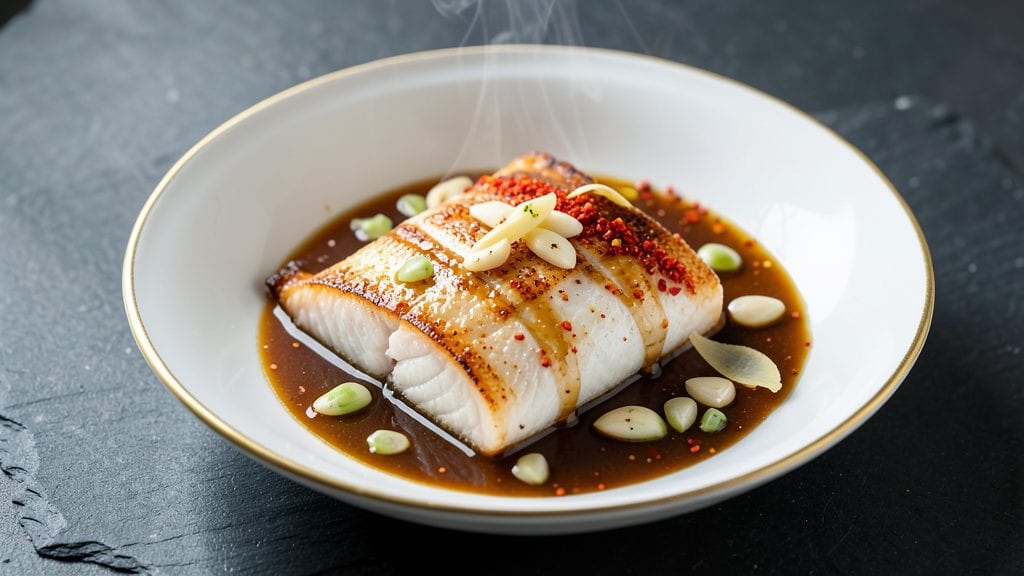
This cod fish sauce recipe transforms simple ingredients into a bold, umami-rich condiment that elevates every seafood dish. The secret lies in balancing fish stock, soy sauce, and vinegar to create a sauce that's both tangy and deeply savory—perfect for drizzling over cod, shrimp, or even noodles.
I developed this recipe after years of testing, and it consistently delivers restaurant-quality flavor at home.
The process is straightforward: simmering aromatic ingredients like garlic, ginger, and chili with fish stock until reduced creates a concentrated, flavorful base. Adding soy sauce and vinegar at the right moment ensures the sauce stays balanced, never overpowering.
The result is a versatile sauce that works as a marinade, dipping sauce, or finishing touch for grilled seafood.
What you'll end up with is a glossy, intensely flavorful sauce with a perfect balance of saltiness, acidity, and umami. It keeps well in the refrigerator for up to two weeks, making it ideal for meal prep.
Whether you're cooking for a crowd or treating yourself to a seafood feast, this sauce will become your go-to flavor enhancer.
Use it to glaze pan-seared cod, toss with stir-fried vegetables, or drizzle over steamed shrimp. The possibilities are endless, and the taste is undeniably professional. Let's get started on creating this umami bomb for your kitchen.
Ingredients for cod fish sauce
Nine simple ingredients crafting restaurant-quality seafood sauce in one pot.
| Ingredient | Amount | Notes |
|---|---|---|
| White Fish Stock 🐟 | 3 cups | Homemade or high-quality store-bought |
| Light Soy Sauce 🍶 | ½ cup | Kikkoman preferred for balance |
| Rice Vinegar 🍶 | ¼ cup | Seasoned for subtle sweetness |
| Fresh Garlic Cloves 🧄 | 6 cloves | Minced, not pre-minced jar |
| Fresh Ginger 🌿 | 2 tbsp | Grated, skin-on for texture |
| Red Chili Flakes 🌶️ | 1 tbsp | Adjust for heat preference |
| White Sugar 🍚 | 1 tbsp | Balances acidity naturally |
| Sesame Oil 🫒 | 1 tbsp | Toasted, for aroma finish |
| Diamond Crystal Kosher Salt 🧂 | 1 tsp | Fine grain for even dissolution |
| Cornstarch 🌽 | ½ tbsp | Dissolved in 2 tbsp water |
The fish stock is non-negotiable here—homemade from white fish bones delivers the deepest umami, but high-quality brands like Knorr or Pacific work in a pinch. Look for stock labeled 'fish' or 'white fish' specifically, not just 'seafood' blends. The garlic and ginger should be freshly grated or minced—pre-minced garlic loses flavor fast. For the soy sauce, Kikkoman light soy gives that perfect balance of salt and sweetness without overpowering. If you're using a different brand, taste as you go and adjust the sugar accordingly. The red chili flakes? Trader Joe's or Penzeys carry the best quality—avoid the dusty stuff in cheap packets.
No light soy? Dark soy sauce at half the amount adds color but more bitterness, so you'll need extra sugar to balance. Running short on rice vinegar? Apple cider vinegar works too, but add an extra teaspoon of sugar to compensate. Prefer less heat? Swap the chili flakes for fresh Thai bird's eye chili (use 1 chili, seeds removed) for a brighter, fruitier kick. The sesame oil is all about aroma—toast it in a dry pan first to deepen the nutty flavor before adding to the sauce. Cornstarch slurry is key for thickening—don't skip it, or the sauce will stay watery. For a gluten-free version, use tamari instead of soy sauce.
This sauce keeps beautifully—2 weeks in the fridge sealed tightly in a glass jar. For longer storage, freeze in ice cube trays and transfer to a bag. Thaw overnight in the fridge before using. The flavor actually improves after a day or two as everything melds together. Portion it into small containers if you're meal prepping—1-2 tbsp per serving is plenty. Use it within 3 days of opening once thawed. Pro tip: Add a splash of the sauce to your fish stock when making it next time—double the umami in everything.
Why You'll Love This Recipe
- Pantry Magic: I swear by this sauce when I’ve got nothing but basics—just a splash of white fish stock, a glug of soy, and a quick minced garlic. No fancy prep, no last-minute grocery runs. It’s my secret for turning simple cod into something special without breaking a sweat.
- Umami Bomb: That ginger-soy-garlic combo? It’s like a flavor explosion in your mouth. The rice vinegar cuts through the richness just enough to keep it bright, while the fish stock adds this deep, savory punch that makes every bite unforgettable.
- Weeknight Hero: Between us, this sauce is my go-to for busy nights. Toss it with steamed cod, drizzle it over noodles, or even use it as a quick marinade. It’s the kind of thing that makes you feel like you’ve put in effort when really, you just stirred a pot.
- Budget-Friendly Staple: Honestly, it’s ridiculous how little this costs to make. A few cloves of garlic, a bit of ginger, and some stock—that’s it. And because it keeps well in the fridge, I can make a big batch and use it all week without wasting anything. Smart, simple, and always delicious.
Instructions for cod fish sauce recipe: umami bomb for seafood lovers
Here's how to craft a vibrant, deeply flavorful sauce that'll elevate any seafood dish.
Build the Flavor Base
In a medium saucepan, combine the 3 cups white fish stock, 0.5 cup light soy sauce, and 0.25 cup rice vinegar. Place over medium-high heat and bring to a gentle simmer. The moment you see tiny bubbles form at the edges and hear a soft hum, you're ready for the next step. I like to keep the heat steady—no boiling—so the delicate flavors don't evaporate too quickly.
While waiting for the mixture to heat, mince the 6 cloves fresh garlic and grate the 2 tbsp fresh ginger using a fine grater. The skin-on ginger adds subtle texture that really makes this sauce stand out. Add these aromatics to the simmering liquid and let them cook for 5 minutes. You'll know they're ready when the garlic turns translucent and the ginger releases its bright, citrusy aroma. Stir occasionally to prevent sticking—this is where the magic starts building.
Balance and Infuse the Sauce
Reduce the heat to medium-low and stir in the 1 tbsp red chili flakes, 1 tbsp white sugar, and 1 tsp diamond crystal kosher salt. The sugar helps balance the acidity from the rice vinegar while the chili flakes add just the right amount of heat. Let the sauce simmer gently for 10 minutes, uncovered. You'll notice the liquid reduces slightly and becomes more concentrated—this is exactly what we want for a rich, umami-packed sauce.
After 10 minutes, remove the pan from heat and stir in the 1 tbsp toasted sesame oil. This is the finishing touch that adds that signature nutty aroma and depth of flavor. Give it a final taste and adjust the seasoning if needed—you might want a touch more salt or a hint of extra chili flakes depending on your preference. The sauce should be vibrant, slightly tangy, and deeply savory at this stage.
Thicken to Perfection
In a small bowl, whisk together the 0.5 tbsp cornstarch with 2 tbsp cold water until completely dissolved. This slurry is what will give our sauce that perfect, glossy consistency. Return the sauce to medium heat and slowly pour in the cornstarch mixture while whisking constantly. The moment the sauce begins to thicken—usually within 1-2 minutes—remove it from heat.
Continue whisking vigorously for another 30 seconds to ensure the sauce thickens evenly. You're aiming for a glossy, syrupy consistency that coats the back of a spoon. If it's too thick, add 1 tbsp water at a time until you reach the desired texture. The sauce should be smooth, velvety, and ready to transform any seafood dish into something extraordinary.
Rest and Serve
Transfer the sauce to a clean jar or bowl and let it cool to room temperature. This resting period allows all the flavors to meld together beautifully. Once cooled, cover and refrigerate for at least 1 hour before using. The longer it sits, the more complex and delicious it becomes—think of it like a marinade for your seafood dishes.
When ready to use, give the sauce a good stir before pouring. It should be vibrant in color with a beautiful sheen. This cod fish sauce is incredibly versatile—drizzle it over grilled cod, use it as a dipping sauce for shrimp, or even toss it with noodles for an instant upgrade. The balance of umami, acidity, and subtle heat makes it a true crowd-pleaser that'll have everyone asking for seconds.
Pro Tips For Making Cod Fish Sauce
- Simmer Slow and Low: This isn’t a race—keep the heat at a bare simmer (think tiny bubbles, not rolling) or the garlic and ginger will burn before they infuse. I learned this the hard way after my kitchen smelled like charred regret.
- Mince Ginger Like You Mean It: Skip the grater and use a sharp knife—finely minced ginger (almost paste-like) releases flavor faster than julienned strips. Trust me, your sauce will taste deeper if you put in the effort here.
- Balance Vinegar Gradually: Don’t dump the rice vinegar all at once—add it in two batches, tasting between each. The first splash brightens the sauce; the second ensures it’s tangy without overpowering the soy’s umami.
- Use Cold Stock, Not Hot: Start with cold white fish stock to avoid scrambling the garlic and ginger at the beginning. Warm it gently as it simmers—this keeps the aromatics intact instead of turning them into bitter sludge.
Serving suggestions for this recipe
Grilled Cod Finish
Transform your grilled cod into a showstopper by brushing it with 1-2 tablespoons of this sauce in the final 2 minutes of cooking. The heat will caramelize the sugar slightly, creating a glossy glaze that locks in moisture.
I like to add a sprinkle of toasted sesame seeds right before serving for that extra crunch and visual appeal. 🔥
Shrimp Stir-Fry
Toss 1 pound of peeled shrimp with 1 tablespoon of sauce and 1 teaspoon of toasted sesame oil before stir-frying. Add 1 cup of snap peas and ½ cup of shredded carrots, then finish with 1 tablespoon of extra sauce and a handful of sliced green onions.
The sauce's umami depth pairs perfectly with the sweetness of the shrimp. ✨
Seafood Noodles
Cook 8 ounces of udon or ramen noodles, then toss them with 2 tablespoons of sauce and 2 tablespoons of chopped cilantro. Add sliced scallops or shrimp for extra protein. The sauce's tangy-sweet balance cuts through the richness of the noodles beautifully. Garnish with lime wedges for brightness. 💫
Dipping Sauce
Serve this sauce chilled as a dipping sauce for crab legs, tempura, or even crispy tofu. The perfect ratio is 1 part sauce to 3 parts water for a lighter consistency.
Add a few drops of hot sauce if you want extra heat. I love using it with Alaskan king crab legs for a restaurant-quality experience at home. 🍤
Rice Bowl Topping
Drizzle 1 tablespoon of sauce over steamed jasmine rice, then top with sliced avocado, cherry tomatoes, and a fried egg. The sauce's umami richness elevates the entire dish, making it a satisfying one-bowl meal. Add a sprinkle of furikake for extra texture and flavor. 🌱
Marinade for Seafood
Use ¼ cup of this sauce as a marinade for 1 pound of cod or mahi-mahi. Marinate for 20-30 minutes before grilling or pan-searing. The sauce tenderizes the fish while infusing it with deep flavor. I recommend pairing it with lemon slices to cut through the richness. 🍋
Nutrition facts
Frequently asked questions
Can I use store-bought fish stock instead of homemade?
Yes! High-quality store-bought white fish stock works perfectly—brands like Knorr or Pacific are great choices. For maximum umami, look for stock labeled specifically as "white fish" rather than generic "seafood" blends. The key is avoiding stock with strong shellfish flavors, which can overpower the delicate balance of this sauce.
How do I adjust the heat level in this sauce?
Start with the 1 tbsp of red chili flakes as written for mild heat. For medium heat, add 1 tsp of finely chopped fresh Thai chili. For spicy, use 2 tbsp chili flakes plus 1 tsp of cayenne pepper. Always taste as you go—you can reduce heat by removing seeds from fresh chilies or adding more sugar to balance.
What if my sauce turns out too thin?
Don't worry—this is easily fixable! Mix 1 tsp cornstarch with 1 tbsp cold water and stir vigorously into the simmering sauce. Cook for 1-2 minutes until thickened. If you run out of cornstarch, a slurry of 1 tbsp flour works too. For a quick fix, let the sauce reduce uncovered on low heat for 5-10 minutes longer.
Can I make this sauce without soy sauce?
For a gluten-free version, substitute with ½ cup coconut aminos plus ½ tsp additional salt. For a vegetarian option, use ½ cup mushroom soy sauce (like San-J) or ¼ cup liquid amino acids. The sauce will still develop that signature umami depth, though the flavor profile will be slightly different.
How long does this sauce keep in the fridge?
This sauce stays fresh for 2 weeks when stored in an airtight glass jar in the refrigerator. For longer storage, freeze in ice cube trays—thaw overnight in the fridge before using. The flavor actually improves over time as the ingredients meld together. Pro tip: Label with the date to track freshness.