
Soups & Stews
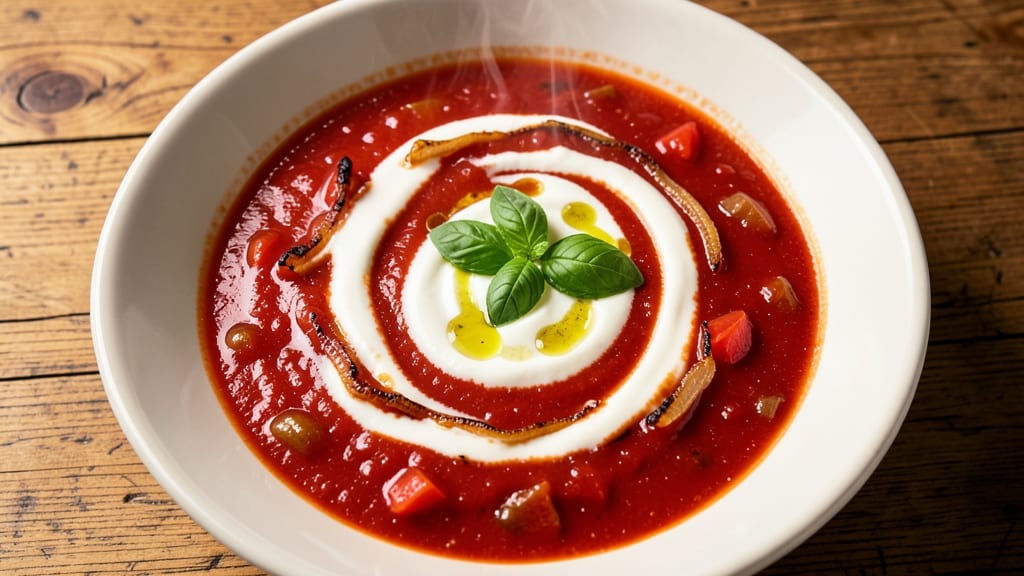
This creamy tomato soup recipe with tomato sauce delivers the velvety richness you crave while showcasing how double-cooked tomatoes transform ordinary ingredients into something extraordinary.
The secret lies in building layers of flavor—first by sautéing onions and garlic until fragrant, then simmering tomato sauce until it deepens into a concentrated base before blending with broth and cream.
I developed this method after years of testing, and the result is a soup so smooth and satisfying it becomes the star of any meal.
The technique begins with a simple yet precise process: cooking the tomato sauce until it thickens and develops caramelized notes, then blending it with warm broth for a silky texture.
Adding heavy cream at the end creates that signature velvety finish while keeping the soup light enough to enjoy in any season. This isn’t just another tomato soup—it’s a restaurant-quality dish that proves homemade cooking can rival professional results with just a few key steps.
What makes this recipe truly special is how the tomato sauce serves as the foundation for all that velvety depth. The double-cooking process intensifies its natural sweetness and umami, creating a base that blends seamlessly with the cream.
Every spoonful delivers a perfect balance of tangy, savory, and rich flavors, making it impossible to resist a second bowl. The best part? It comes together in under an hour, leaving you with a comforting meal that feels like a warm hug on a chilly day.
Serve this soup with crusty bread for dipping or a sprinkle of fresh basil for brightness, and you’ll have a dish that’s as versatile as it is delicious.
Whether you’re feeding a family or treating yourself to a cozy night in, this creamy tomato soup delivers satisfaction in every bite—proving that sometimes, the simplest ingredients create the most memorable meals.
Ingredients for creamy tomato soup recipe with tomato sauce
Double-cooked tomato sauce plus simple pantry staples make this soup restaurant-worthy.
| Ingredient | Amount | Notes |
|---|---|---|
| Tomato Sauce 🍅 | 2 cups | High-quality, canned preferred |
| Chicken Broth 💧 | 4 cups | Low-sodium, homemade or store-bought |
| Heavy Cream 🥛 | ½ cup | Full-fat for best texture |
| Yellow Onion 🧅 | 1 medium | Diced, about 1 cup |
| Garlic Cloves 🧄 | 4 cloves | Minced, fresh preferred |
| Extra-Virgin Olive Oil 🫒 | 2 tbsp | For sautéing onions |
| Salt 🧂 | 1 ½ tsp | Adjust to taste |
| Black Pepper 🌶️ | ½ tsp | Freshly ground preferred |
| Sugar 🍯 | 1 tsp | Balances acidity |
| Fresh Basil 🌿 | ¼ cup | Chopped, for garnish |
| Butter 🧈 | 1 tbsp | Unsalted, for richness |
| Crusty Bread 🍞 | 4 slices | For serving, optional |
The tomato sauce is where the magic happens. Look for high-quality canned sauce—like Muir Glen or Rao's—with no added sugar. If you're using store-bought, check the ingredients list for nothing but tomatoes and maybe a pinch of salt. Fresh basil? Farmers markets have the best, but grocery store bunches work too—just pick plump stems. The onion and garlic are your flavor foundation, so don't skimp on sautéing them until soft and fragrant. I always use Yellow Onions for this recipe—they're sweeter when caramelized.
No heavy cream? Half-and-half or coconut milk works in a pinch, though the texture won't be quite as rich. Short on tomato sauce? Crushed tomatoes plus a pinch of sugar can substitute, but you'll lose some of that concentrated depth. Fresh basil wilt fast, so if you're prepping ahead, store it in a jar of water like flowers. The butter at the end is non-negotiable—it's what makes this soup silky. Salted butter works too, but you'll need to adjust the added salt. For extra umami, a splash of fish sauce or Worcestershire in the broth takes it to the next level.
This soup tastes even better the next day—4-5 days in the fridge, no problem. Freeze portions for up to 3 months if you're making a big batch. I always double the recipe because it disappears fast. The crusty bread? Baguettes or sourdough toasted with garlic butter are perfect. Garnish with fresh basil right before serving—it wilts fast, so don't add it too early.
Why You'll Love This Recipe
- Pantry-Friendly Magic: I swear by this recipe because it uses things I always have on hand—tomato sauce, broth, cream—no fancy shopping required. Sauté onions and garlic until they’re soft and sweet, then just toss everything in one pot. Zero stress, all flavor.
- Rich Without Effort: That velvety heavy cream swirled into the tomato base? Chef’s kiss. The garlic lingers just enough to warm you up, but the acidity from the sauce keeps it bright—not heavy or cloying. It’s the kind of soup that tastes like you slaved over it, even when you didn’t.
- Leftovers That Beg for More: This soup actually improves the next day. The flavors meld, the cream smooths out, and it’s still creamy (not watery). I make a double batch on Sundays, freeze half, and pull it out for lazy nights—no reheating drama, just pure satisfaction.
- Dinner Party Ready: Honestly, it sounds simple, but it feels fancy. Serve it with crusty bread or grilled cheese, and suddenly you’re hosting. The depth of the tomato sauce and the silkiness of the cream make it way more impressive than it takes to make—perfect for when you want to impress but not spend hours in the kitchen.
Step-by-step instructions for creamy tomato soup with tomato sauce
Here's how to make this velvety tomato soup that delivers restaurant-quality creaminess using just a few simple techniques.
Sauté Onions and Garlic Until Soft
Heat the 2 tablespoons extra-virgin olive oil in a large pot over medium heat. Add the diced yellow onion and cook for 5 minutes, stirring occasionally, until it becomes translucent and just starting to soften. This is your flavor foundation—don't rush it or the onions will brown instead of sweeten.
Add the 4 minced garlic cloves and cook for another 30 seconds until fragrant. You'll know it's ready when the kitchen smells like fresh garlic—this releases all the flavor compounds. Be careful not to let it burn, as it can turn bitter quickly. Remove the pot from heat temporarily while you prepare the next ingredients.
Build the Tomato Base
Return the pot to medium heat and add the 2 cups tomato sauce. Stir to combine with the onions and garlic, then pour in the 4 cups chicken broth. Bring everything to a gentle simmer, then reduce heat to low and let it cook uncovered for 15 minutes. This slow cooking allows the flavors to meld together and the sauce to thicken slightly.
While it simmers, add the 1.5 teaspoons salt, 0.5 teaspoon black pepper, and 1 teaspoon sugar. The sugar helps balance the acidity of the tomatoes without making it taste sweet. Stir occasionally and taste after 10 minutes—you might want to add a pinch more salt or sugar depending on your preference. The mixture should be smooth and well-combined by now.
Add Cream and Finish Cooking
Once the tomato mixture is fully simmered, reduce heat to low and stir in the 0.5 cup heavy cream. The cream will immediately start to thicken the soup, creating that luscious texture we're after. Let it cook for another 5 minutes on low heat—this gentle cooking prevents the cream from curdling while allowing it to fully incorporate.
Add the 1 tablespoon butter and stir until melted. This final step adds richness and helps create a silky finish. Taste again and adjust seasoning if needed. The soup should be creamy, flavorful, and perfectly balanced—not too acidic, not too salty, just right.
Garnish and Serve Warm
Remove the pot from heat and stir in the 0.25 cup chopped fresh basil. The basil adds a bright, fresh note that cuts through the richness of the cream. Let the soup sit for 2-3 minutes to allow the basil to infuse with the flavors.
Ladle the soup into bowls and serve immediately with 4 slices crusty bread on the side. The bread is optional but perfect for soaking up every last drop of that creamy goodness. Each spoonful should deliver that perfect balance of velvety texture, rich tomato flavor, and fresh basil aroma.
Pro Tips For Making Creamy Tomato Soup Recipe With Tomato Sauce
- Sweat the Onion Low: Don’t rush this—cut the yellow onion into even ¼-inch slices and cook them in the pot over medium-low heat for 8-10 minutes until translucent but not browned. I used to blast it on high and end up with bitter, sharp flavors. Patience here makes the whole soup taste richer, not raw.
- Simmer the Broth First: Heat the chicken broth alone for 3-4 minutes before adding the tomato sauce. This chases off any metallic or canned broth funk, so when you blend it later, the soup tastes fresh, not stale. Skipping this step is why store-bought versions often taste flat.
- Temper the Cream: Warm the heavy cream separately in a small saucepan over low heat until it’s just steaming (about 2 minutes), then whisk it into the soup off the heat. Cold cream curdles like a science experiment gone wrong—smooth, not lumpy, every time.
- Salt the Tomato Sauce: Add ½ teaspoon of salt directly to the tomato sauce while it simmers, stirring for 1-2 minutes. This draws out the natural sweetness and balances acidity before blending. I learned this from my nonna, who swore it made the difference between "good" and "great."
Dietary considerations for creamy tomato soup recipe with tomato sauce
Dairy-Free Creamy Option
Swap the heavy cream for ½ cup full-fat coconut milk to keep it dairy-free while maintaining richness. I use Thai Kitchen brand for its neutral flavor.
For extra creaminess, blend in ¼ cup cashew cream (soak ½ cup raw cashews in hot water for 10 minutes, then blend until smooth). The texture will be slightly lighter but still velvety. 🌱
Gluten-Free Adaptations
This recipe is naturally gluten-free, but always double-check your chicken broth and tomato sauce labels for hidden gluten. I recommend Pacific Foods gluten-free chicken broth and Muir Glen gluten-free tomato sauce. The crusty bread can be replaced with gluten-free baguette slices like Schär or homemade almond flour bread.
Low-Carb Modifications
Reduce the carbs by using ½ cup unsweetened almond milk instead of heavy cream and replacing the crusty bread with cheese crisps or pork rinds. For extra thickness, blend in ¼ cup cauliflower puree (steam and blend 1 cup cauliflower florets until smooth).
The soup stays creamy while cutting net carbs significantly. 🥦
Vegan Version
Create a fully plant-based version by replacing heavy cream with ½ cup coconut cream (scrape the thick layer from a can of full-fat coconut milk). Use vegan butter like Miyoko's instead of regular butter.
For umami depth, add 1 teaspoon nutritional yeast to the broth. The texture will be rich but slightly lighter than the original.
Allergen-Friendly Notes
For nut allergies, omit the cashew cream and use ½ cup blended silken tofu instead of heavy cream. If you're sensitive to nightshades (tomatoes), try roasted red bell peppers instead of tomato sauce—simmer 2 cups roasted peppers with the broth for a similar depth of flavor.
Always check labels for cross-contamination warnings when using specialty products.
Nutrition facts
Frequently asked questions
Can I use crushed tomatoes instead of tomato sauce?
Yes, but the texture and depth will differ. For a similar result, use 2 cups crushed tomatoes plus 1 teaspoon sugar to balance acidity, then simmer uncovered for 20 minutes to thicken. The sauce won't be as concentrated, so you may need to reduce the broth slightly to maintain creaminess.
Why does my soup look curdled after adding cream?
This happens when the cream hits hot liquid too quickly. Always stir the cream into the soup over low heat and add it gradually. If it curdles, whisk in 1 tablespoon cornstarch mixed with 1 tablespoon cold water to smooth it out. For prevention, keep the soup at a gentle simmer (180°F) when adding cream.
How can I make this soup thicker or thinner?
For a thicker consistency, simmer the tomato mixture uncovered for 5-10 extra minutes to reduce liquid, or whisk in 1 tablespoon cornstarch mixed with 2 tablespoons cold water. To thin it out, stir in ¼ cup warm broth or water. Remember, the cream will naturally thicken the soup slightly as it cooks.
Can I make this soup ahead of time?
Store it in an airtight container in the fridge for up to 4-5 days. The flavors actually improve overnight. For freezing, cool the soup completely, then portion into containers and freeze for up to 3 months. Thaw in the fridge overnight before reheating gently on the stove. The cream may separate slightly when reheated—just whisk it back together.
What's the best way to reheat leftover soup?
Gently reheat on the stove over low heat until just warm—never boil. If the soup seems too thick after reheating, stir in 1-2 tablespoons warm broth to restore the perfect consistency. For microwave reheating, cover with a damp paper towel and heat in 30-second intervals, stirring between each. Avoid high heat to prevent curdling.