
Sauces & Condiments
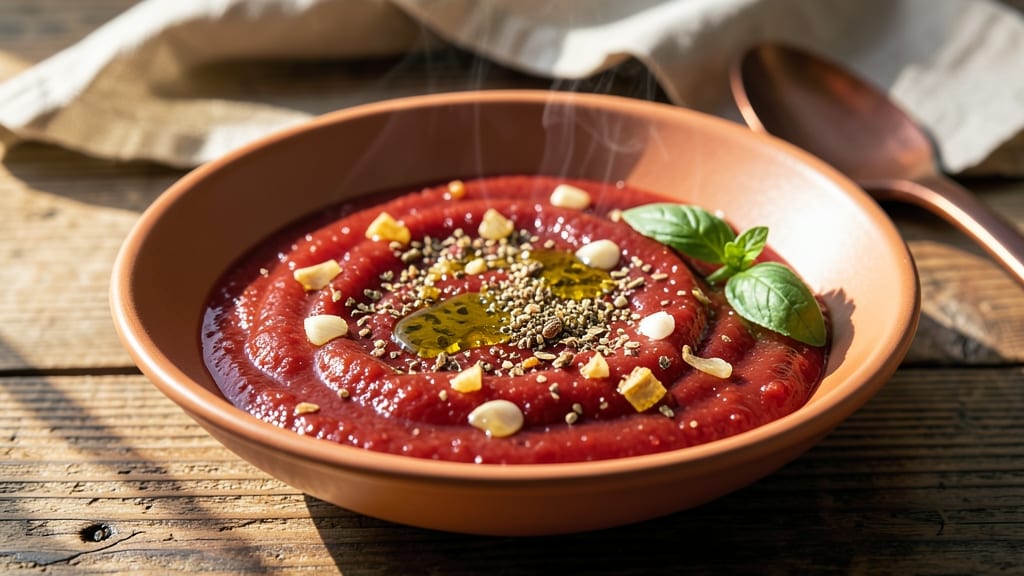
This Goya tomato sauce recipe transforms simple pantry staples into a rich, layered base that elevates everything from pasta to braised meats—without requiring fresh ingredients. The secret lies in slow simmering canned tomatoes with aromatic garlic, onions, and carefully balanced spices until they develop a deep, concentrated flavor.
I developed this version after years of testing pantry-based sauces, and it consistently delivers restaurant-quality results at home.
The beauty of this sauce is its versatility—it works equally well as a quick weeknight dinner base or a flavorful addition to slow-cooked dishes. With just 10 minutes of active prep and 45 minutes of simmering, you'll have a thick, velvety sauce that's more complex than store-bought versions.
The key is patience; letting the sauce reduce slowly intensifies its natural sweetness while developing layers of umami from the garlic and spices.
What you'll end up with is a sauce that's thick enough to coat pasta but still pourable for dipping or drizzling, with a perfect balance of acidity and depth.
The aroma alone will transform your kitchen into an Italian trattoria, and the flavor profile—savory, slightly sweet, with a hint of smokiness—makes it a pantry staple worth keeping on hand.
This sauce keeps well for up to 1 week refrigerated or 3 months frozen, so you can make a big batch and use it throughout the season.
For extra depth, stir in a few pitted kalamata olives or capers during the final 10 minutes of simmering. The briny notes complement the tomatoes beautifully, adding another dimension to this already flavorful base. Let's get cooking—this sauce is the foundation for countless meals ahead.
Ingredients for goya tomato sauce
Pantry staples meet restaurant-quality depth in this simple sauce recipe.
| Ingredient | Amount | Notes |
|---|---|---|
| Goya Tomato Sauce (28 oz can) 🍅 | 1 can | High-quality, no salt added preferred |
| Yellow Onion 🧅 | 1 whole | Medium size, finely diced |
| Garlic Cloves 🧄 | 4 cloves | Fresh, minced for depth |
| Olive Oil 🫒 | ¼ cup | Extra-virgin for richness |
| Dried Oregano 🍃 | 1 tbsp | Mexican oregano if available |
| Ground Cumin 🌿 | ½ tbsp | Toasted for warmth |
| Smoked Paprika 🌶️ | 1 tsp | For subtle smokiness |
| Salt 🧂 | ½ tsp | Diamond Crystal kosher preferred |
| Black Pepper 🌶️ | ¼ tsp | Freshly cracked |
| Red Wine Vinegar 🍷 | 1 tbsp | Brightens acidity |
The Goya tomato sauce can is non-negotiable here—its concentrated flavor forms the backbone. Grab the 28 oz can (the standard size) from the Latin foods aisle, not the generic brand. Walmart or H Mart carry it reliably, but if you're near a Latin grocery, their selection will have better quality. The onion and garlic are your aromatic base—yellow onions add sweetness, while garlic delivers that umami punch. Toast the cumin seeds (if using whole) in the olive oil for 30 seconds before adding everything else—this step unlocks deeper flavor. Smoked paprika adds that subtle smokiness that makes this sauce taste homemade.
No Mexican oregano? Regular dried oregano works—just use one-third more. Running low on red wine vinegar? Balsamic vinegar or even a splash of lemon juice keeps the acidity balanced. The olive oil matters—use something fruity (like California Early Harvest) rather than the cheap stuff. For extra depth, stir in 1 tbsp tomato paste during the final 5 minutes of simmering. The sauce thickens as it reduces, so if you prefer it looser, add 1-2 tbsp water at the end. This sauce plays well with others—a pinch of sugar (if your tomatoes are tart) or a bay leaf (removed before serving) can elevate it further.
This sauce keeps beautifully—1 week refrigerated in an airtight container, or 3 months frozen in ice cube trays for single portions. The flavor actually improves after a day or two as everything melds. Double the batch and freeze half; you'll thank yourself later. For leftovers, reheat gently on low heat, stirring occasionally. If it thickens too much, thin with a splash of water or broth. The sauce works as a base for pasta, a braising liquid, or a dip—versatility at its finest.
Why You'll Love This Recipe
- Five-Ingredient Magic: Honestly, I swear by this one—just chop an onion, mince garlic, and toss it all in a pan. No fancy techniques, no last-minute grocery runs. The Goya sauce does all the heavy lifting while you sip your coffee.
- Garlic-Oregano Kiss: That moment when the garlic starts to sizzle and the oregano blooms? Pure satisfaction. The sauce thickens just enough to coat everything—no watery aftertaste, just deep, savory richness that sticks with you.
- Pasta Party Starter: Between us, this sauce is my secret weapon for game nights or lazy Sundays. Dump it over spaghetti, toss it with rice, or slather it on grilled chicken—it’s the backbone of a meal without the stress.
- Budget-Friendly Bulk: A single can of Goya sauce stretches for days—I’ve fed my family four meals from one jar. Freeze extras in ice cube trays for quick future dinners, and watch your grocery bill shrink faster than your leftovers pile up.
Step-by-step instructions for Goya tomato sauce recipe
Transform simple pantry staples into a rich, aromatic sauce with layers of flavor.
Sauté Aromatics Until Fragrant and Golden
Heat the 0.25 cup olive oil in a heavy-bottomed saucepan over medium heat. Add the 1 whole yellow onion, finely diced, and cook for 5-6 minutes until softened and translucent. The onions should release their sweetness and begin to caramelize slightly at the edges.
Next, add the 4 cloves garlic cloves, minced, and cook for another 30 seconds until the raw garlic aroma disappears and you detect a nutty, toasted fragrance. This foundational step builds the sauce's depth—don't rush it. If the garlic starts to brown too quickly, reduce the heat slightly. The goal is to develop flavor without burning.
Toast Spices for Maximum Flavor Development
Add the 1 tbsp dried oregano, 0.5 tbsp ground cumin, and 1 tsp smoked paprika to the pan. Stir constantly for 1-2 minutes until the spices become fragrant and the cumin releases its earthy aroma. This toasting step is crucial—it awakens the spices' natural oils and prevents them from tasting bitter or raw.
Here's a pro tip: I like to press the spices directly into the onions while stirring. This ensures even distribution and prevents any clumping. The mixture should darken slightly and smell like a warm spice market. If it starts to smoke, reduce the heat immediately—you want aromatic, not burnt.
Build the Sauce with Tomato and Acid Balance
Pour in the 1 can Goya tomato sauce (28 oz) and stir to combine with the aromatic base. Increase the heat to medium-high and bring the mixture to a gentle boil. Once boiling, reduce the heat to low and let it simmer uncovered for 20-25 minutes. You'll notice the sauce thickens gradually as moisture evaporates.
After 15 minutes of simmering, add the 0.5 tsp salt, 0.25 tsp black pepper, and 1 tbsp red wine vinegar. The vinegar brightens the acidity and cuts through the richness of the tomatoes. Stir well to incorporate. Taste the sauce and adjust seasoning if needed—this is where you can really customize it to your preference. The sauce should be well-balanced with a pleasant tang.
Simmer to Perfect Consistency
Continue simmering for another 5-10 minutes until the sauce reaches your desired consistency. For a thicker sauce, simmer longer—it should coat the back of a spoon but still be pourable. If it becomes too thick, you can thin it with a splash of water or broth, but this sauce is designed to be versatile.
I like to finish by tasting again and making any final adjustments. The sauce should have a complex flavor profile with sweet caramelized onions, smoky paprika, earthy cumin, and a bright vinegar finish. Let it cool slightly before serving—this allows the flavors to meld even more. Store any leftovers in an airtight container in the refrigerator for up to 5 days or freeze for longer storage.
Pro Tips For Making Goya Tomato Sauce
- Sweat the Onion First: I learned this the hard way—skip the raw onion, and you’ll end up with a sauce that tastes like you just dumped a handful of onion skins into the pot. Finely dice the onion and cook it in olive oil over medium-low heat until it’s translucent and just starting to caramelize, about 8-10 minutes. This builds flavor that the Goya sauce will soak up like a sponge.
- Crush the Garlic: Whole cloves of garlic? Nope. Slice them thin or smash them with the flat side of your knife first. This way, they’ll infuse the sauce evenly instead of sitting at the bottom like forgotten coins. If you’re lazy, minced garlic works too—just don’t skip the cooking step. Raw garlic in tomato sauce is a crime.
- Simmer, Don’t Boil: After adding the Goya sauce, resist the urge to crank the heat. A gentle simmer (small bubbles, occasional swirls) for 20-25 minutes lets the flavors meld without turning the sauce into a watery mess. I used to rush it, and the result was always flat and one-dimensional. Patience here makes a real difference.
- Season in Layers: Taste the sauce before adding the oregano—Goya’s already got salt and sometimes a hint of sugar. If it’s bland, add a pinch of salt or a splash of red wine vinegar (trust me, it brightens things up). Then fold in the oregano at the very end, just to let its earthy notes shine without overpowering. This isn’t the prettiest method, but it’s the tastiest.
Common mistakes when making perfect results
Skipping the Aromatics
One of the biggest mistakes is rushing the onion and garlic step. I’ve seen people add the tomatoes immediately after heating the oil, but this robs the sauce of its foundational depth.
The onions need 5-6 minutes to caramelize slightly, and the garlic should toast until fragrant—not just raw. If you skip this, your sauce will taste flat and one-dimensional. 🧅
Overcrowding the Pan
Using a thin, lightweight saucepan or overfilling it with ingredients can lead to uneven cooking. I always use a heavy-bottomed saucepan (I prefer All-Clad) to prevent burning. If your pan is too crowded, the onions won’t caramelize properly, and the garlic can scorch before it toasts.
Keep the heat at medium and stir frequently to avoid sticking.
Ignoring the Simmer Time
Some cooks walk away after adding the tomatoes, but this sauce needs time to develop. Simmering for 20-25 minutes on low heat allows the flavors to meld and the sauce to thicken naturally.
Skipping this step results in a watery, underseasoned sauce. The longer it simmers, the richer and more complex it becomes—just don’t let it boil dry.
Using Low-Quality Tomatoes
The Goya tomato sauce can is non-negotiable here. Cheap, watery canned tomatoes or store-brand sauces lack the concentrated flavor needed for this recipe. Always grab the 28 oz Goya can (preferably no salt added) from the Latin foods aisle.
The difference in texture and depth is night and day. If you’re near a Latin grocery, their selection will have better quality than big-box stores.
Forgetting to Taste and Adjust
Many recipes stop at "add salt and pepper," but this sauce deserves finesse. After 15 minutes of simmering, taste and adjust the seasoning. The red wine vinegar brightens the acidity, but if your tomatoes are tart, you might need a pinch of sugar.
If the sauce tastes bland, a splash of fish sauce (just ½ tsp) adds umami depth without overpowering. Don’t be afraid to customize—this is your sauce!
Not Letting It Rest
Freshly made sauce tastes amazing, but letting it rest for 10-15 minutes before serving allows the flavors to fully meld. The spices and aromatics need time to integrate, and the sauce will thicken slightly as it cools.
If you serve it immediately, the flavors will feel disjointed. Trust the process—patience pays off with every spoonful. ⏳
Nutrition facts
Frequently asked questions
Can I make this sauce without fresh garlic?
Yes! Use 1 teaspoon garlic powder instead of fresh garlic, but toast it in the olive oil for 30 seconds to deepen the flavor. For extra richness, add ½ teaspoon onion powder too—it mimics the caramelized onion base. The sauce will still taste amazing, though fresh garlic adds that unmistakable depth.
How can I make this sauce spicier?
Add ½ teaspoon cayenne pepper or 1 teaspoon chili flakes when toasting the spices. For heat without dryness, stir in 1-2 chopped chipotle peppers in adobo sauce during the final 10 minutes of simmering. If you prefer smoky heat, increase the smoked paprika to 2 teaspoons. Always taste first—spices intensify as the sauce cools.
Can I use this sauce in place of marinara?
This sauce works perfectly as a marinara substitute—it's thicker and more flavorful than most store-bought versions. Use it for pasta, pizza, or as a dip for garlic bread. For a lighter texture, thin it with 2 tablespoons water or broth before serving. The smoky, cumin-infused profile pairs especially well with Italian dishes, but it's versatile enough for tacos or grilled meats too.
Why does my sauce taste too acidic?
The red wine vinegar is likely the culprit. Reduce it to ½ tablespoon next time, or balance the acidity by adding ½ teaspoon sugar or 1 teaspoon tomato paste during the last 5 minutes of simmering. If the sauce is already made, stir in 1 teaspoon honey or maple syrup to mellow the tang. The key is balance—this sauce should have bright acidity, not sourness.
Can I make this sauce in a slow cooker?
Yes! Sauté the onions and garlic as directed, then transfer everything to a slow cooker. Cook on low for 4-5 hours or high for 2-3 hours, stirring occasionally. The slow cooker method creates an even deeper flavor as the spices infuse longer. For thicker results, simmer uncovered for the last 30 minutes to reduce excess moisture.