
Sauces & Condiments
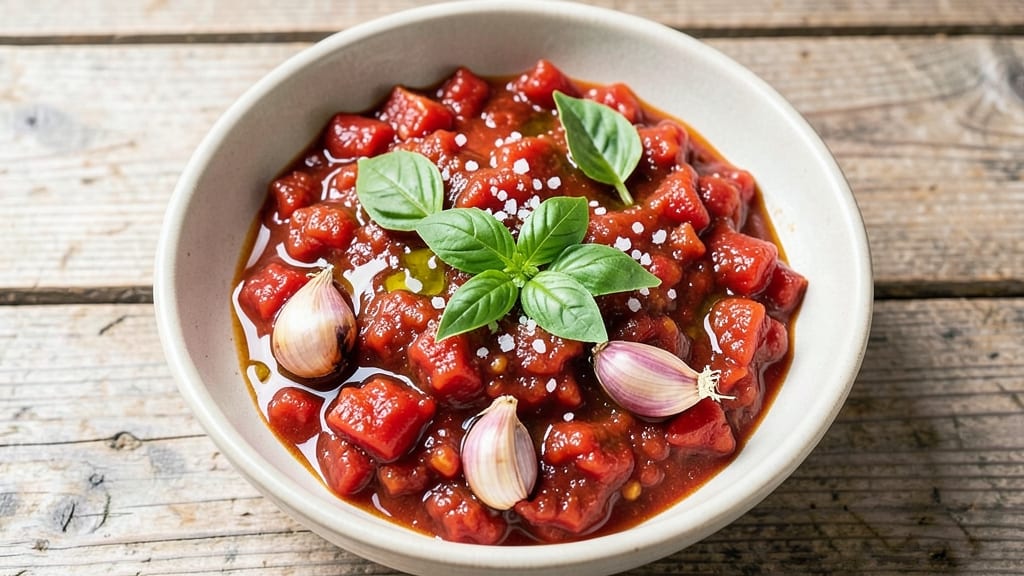
Lidia Bastianich’s tomato sauce recipe transforms simple ingredients into a velvety, aromatic masterpiece that captures the heart of Italian cooking. The secret lies in slow simmering—letting the flavors develop over time while balancing acidity with sweetness.
I’ve perfected this technique in my own kitchen, where a few key adjustments make it approachable for home cooks without sacrificing authenticity.
This simmered tomato sauce starts with fresh tomatoes, garlic, and olive oil—a classic trio that forms the foundation of Italian cuisine. The slow reduction process concentrates the flavors, while basil and a pinch of sugar enhance the natural sweetness.
Unlike rushed versions, this method ensures a sauce that’s rich, balanced, and ready to elevate pasta, pizza, or grilled meats.
What sets this recipe apart is its versatility—use it immediately for a quick meal or store it for up to a week in the refrigerator. The texture remains smooth and flavorful, proving that patience in the kitchen yields the best results.
Whether you’re recreating a traditional Italian dish or adapting it for modern tastes, this sauce delivers restaurant-quality depth in every spoonful.
The key to success is attention to detail: simmering until the sauce thickens just enough to coat the back of a spoon, then finishing with fresh basil for brightness.
This isn’t just a sauce—it’s a testament to how simple ingredients, when treated with care, can create something extraordinary. Let’s get started on making yours.
Ingredients for lidia's tomato sauce
Eight essential ingredients transform into Lidia's velvety tomato sauce masterpiece.
| Ingredient | Amount | Notes |
|---|---|---|
| San Marzano Tomato Cans 🍅 | 28 oz | Whole peeled tomatoes, crushed by hand |
| Extra-Virgin Olive Oil 🫒 | ½ cup | High-quality, fruity variety preferred |
| Garlic Cloves 🧄 | 4 cloves | Freshly peeled, thinly sliced |
| Fresh Basil Leaves 🌿 | ½ cup | Packed, stems removed |
| Granulated Sugar 🍚 | 1 tbsp | Balances acidity naturally |
| Diamond Crystal Kosher Salt 🧂 | 1 ½ tsp | Adjust to taste |
| Red Wine Vinegar 🍷 | 1 tbsp | Brightens the sauce |
| Freshly Ground Black Pepper 🌶️ | ½ tsp | Enhances depth of flavor |
The foundation lies in San Marzano tomatoes, renowned for their sweetness and low acidity—Whole Foods or specialty Italian markets carry them in cans. For the olive oil, invest in a premium extra-virgin variety like Colavita or Bertolli, as their fruity notes elevate the sauce. Fresh garlic and basil are non-negotiable; the garlic's sweetness mellows during simmering, while the basil adds that signature brightness. I always source my basil from local farmers markets where the leaves are vibrant and fragrant—the fresher, the better. The sugar and vinegar may seem minimal, but they're crucial for balancing the sauce's acidity and sweetness, creating that perfect harmony.
No San Marzano tomatoes? Crushed Roma tomatoes work as a substitute, though they'll have slightly more acidity. Short on fresh basil? Dried basil at one-third the amount will suffice, though it lacks the aromatic punch. For the olive oil, if you're using a lower-quality variety, increase to 0.75 cup to compensate for its lack of flavor intensity. The vinegar can be swapped for lemon juice, though red wine vinegar's depth is ideal. For a deeper flavor profile, consider adding 1 tsp of tomato paste to the initial sauté, which professional chefs often do to intensify the sauce's richness without altering the texture.
This sauce develops its full potential over time, so simmering is key. The sauce will thicken as it reduces, but don't rush it—30-45 minutes of gentle simmering ensures the flavors meld perfectly. Store in an airtight container in the refrigerator for up to 7 days, where it continues to improve. For longer storage, freeze in ice cube trays for easy portioning, and it'll keep for up to 6 months. When reheating, add a splash of water or broth to restore the desired consistency, as the sauce thickens upon cooling.
Why You'll Love This Recipe
- No-Fuss Pantry Staples: That can of San Marzano tomatoes and jar of olive oil? Already in my cupboard. Honestly, this sauce starts with ingredients I reach for weekly—no last-minute grocery runs or fancy shopping.
- Garlic-Basil Magic: The moment those cloves hit the oil, my kitchen smells like a Roman trattoria. That pinch of sugar? It’s not cheating—it’s balancing the acidity so the basil shines without bitterness.
- Weeknight to Weekend: Slather it on toast with ricotta for a lazy breakfast. Use it as a marinade for grilled chicken. Freeze extra jars for when I’m too tired to cook. It’s my go-to for anything that needs that bright, tangy punch.
- Pennies to Pasta: A single can of tomatoes stretches into three meals—pasta, pizza, or even a hearty soup. Between us, this is how I feed my family well without breaking the bank. (Yes, even on a Tuesday night.)
Step-by-step instructions for Lidia's tomato sauce
Master this classic technique for a rich, balanced sauce with perfect acidity and depth.
Prepare the Tomatoes for Even Cooking
Open the 28 oz San Marzano tomato cans and transfer the tomatoes to a large mixing bowl. Using your hands, gently crush each tomato by pressing down firmly while rotating your fingers. You want to break them into large, irregular chunks—not a puree—so the sauce maintains texture and body during simmering. This hand-crushing method also releases natural juices that will form the sauce's base.
Real talk: Don't use a blender or food processor here. The texture difference is dramatic—you'll end up with a smoother sauce that lacks the rustic character Lidia's version is known for. Once crushed, transfer the tomatoes to a 4-quart saucepan, reserving any juices that accumulate in the bowl.
Develop the Flavor Base with Olive Oil and Aromatics
Place the saucepan over medium heat and add the 0.5 cup extra-virgin olive oil. Let it heat for 2 minutes until shimmering but not smoking—you should see tiny bubbles forming at the edges. Add the 4 cloves thinly sliced garlic cloves and stir gently for 30 seconds until they become translucent and just begin to turn golden at the edges.
Here's where it gets critical: Don't let the garlic brown. Burnt garlic tastes bitter and overpowers the delicate tomato flavor. The moment you detect any color change beyond pale gold, remove the pan from heat for 10 seconds to cool slightly. This controlled development extracts maximum flavor without bitterness.
Simmer the Sauce Until Perfectly Balanced
Return the pan to medium heat and add the 1 tablespoon granulated sugar, 1.5 teaspoons diamond crystal kosher salt, and 1 tablespoon red wine vinegar. Stir to dissolve the sugar completely, then add the crushed tomatoes. Bring to a gentle simmer—you should see small bubbles forming at the edges but not a rolling boil—and let it cook uncovered for 45 minutes.
Stir occasionally, breaking up any tomato skins that rise to the surface. The sauce should reduce by about 25% by volume, becoming thicker and more concentrated. Taste after 30 minutes and adjust seasoning if needed—this is when you'll notice if the acidity needs more vinegar or the sweetness needs more sugar. The sauce should taste vibrant and balanced, not one-note.
Finish with Fresh Basil and Pepper
Remove the pan from heat and stir in the 0.5 cup fresh basil leaves and 0.5 teaspoon freshly ground black pepper. Let the sauce sit for 5 minutes to allow the basil to infuse its aromatic oils. The pepper should be distributed evenly throughout—this enhances the sauce's depth without overpowering the tomato flavor.
For perfect texture, press the basil leaves against the side of the pan with a wooden spoon, then discard the stems. This ensures you capture all the basil's flavor while removing any fibrous stems that could make the sauce gritty. The finished sauce should coat the back of a spoon smoothly but still maintain some body—neither watery nor glue-like.
Rest and Serve at Peak Flavor
Transfer the sauce to a clean bowl and let it rest at room temperature for 15 minutes before serving. This resting period allows the flavors to meld completely and the sauce to reach its ideal consistency. The acidity will mellow slightly, the sweetness will integrate fully, and the texture will become perfectly balanced.
Serve immediately over pasta or use within 3 days stored in an airtight container in the refrigerator. For best results, reheat gently on the stove—never microwave, as this can make the sauce grainy. Each spoonful should deliver bright tomato flavor, subtle sweetness, and aromatic basil notes that linger on the palate.
Pro Tips For Making Lidia'S Tomato Sauce
- CRUSH THE GARLIC: I learned this the hard way—don’t just mince those cloves, smash them first with the flat side of your knife. The cell walls break, releasing more flavor into the oil. Work fast, though: once you crush, the garlic starts to burn in seconds.
- SIMMER LOW AND LONG: This sauce isn’t ready in 15 minutes. After the tomatoes hit the pot, drop the heat to a gentle simmer—think tiny bubbles, not rolling. Too hot, and you’ll kill the basil’s bright notes and turn the sauce bitter. I’ve burned three batches before I got this right.
- SALT THE TOMATOES: Drain the San Marzanos, then sprinkle a pinch of salt over the pulp before crushing them. It draws out excess water, giving you a thicker, more concentrated sauce. Skip this, and you’ll be stirring for 20 minutes later trying to fix a watery mess.
- STORE THE BASIL: Don’t toss the basil leaves in whole—they’ll float and burn. Instead, tear them roughly by hand and scatter them in the last 5 minutes of cooking. For extra punch, add a few whole leaves to the jar when storing; they’ll infuse flavor overnight. (Yes, even if you’re impatient like me.)
Best sauces and condiments for lidia's tomato sauce
Classic Pasta Pairings
This tomato sauce shines brightest with al dente spaghetti or fettuccine, where its velvety texture clings perfectly. I always cook my pasta in salted water until it's just firm to the bite—about 1 minute less than package instructions recommend.
Reserve ½ cup pasta water before draining, then toss the sauce with the pasta, adding a splash of water if needed to loosen it. For a rustic touch, serve with grated Parmigiano-Reggiano and a sprinkle of freshly cracked black pepper. 🍝
Grilled Meat Complements
Use this sauce as a marinade or finishing sauce for grilled chicken breasts or pork chops. Brush it on during the last 5 minutes of grilling to create a caramelized crust.
I love pairing it with garlic butter shrimp—simmer the sauce with 1 tbsp butter and ½ tsp red pepper flakes for added richness. The sauce's acidity cuts through the meat's richness beautifully, balancing every bite. For a heartier option, serve alongside wood-fired brisket or beef short ribs.
Pizza Base Perfection
Transform this sauce into a pizza masterpiece by spreading it thinly over a pre-baked pizza crust (about ¼ inch thick) to prevent sogginess. Top with fresh mozzarella, cherry tomatoes, and balsamic glaze drizzle for a Caprese-inspired pie.
For a meat lover's version, add crumbled pancetta and sliced salami before baking. The sauce's natural sweetness caramelizes beautifully in the oven, creating a glossy finish. Bake at 475°F for 10-12 minutes until the crust is golden and cheese is bubbly.
Bread Dipping Sauce
Warm this sauce slightly and serve it as a dipping sauce for garlic bread or focaccia. The texture becomes even more luxurious when reheated—simmer for 5 minutes on the stove with a splash of water.
For extra depth, stir in 1 tsp tomato paste and ½ tsp dried oregano before serving. I like pairing it with crusty ciabatta or rosemary-infused baguette slices for a sophisticated appetizer. The sauce's bright acidity contrasts perfectly with the bread's buttery richness.
Eggplant Parmesan Twist
Layer this sauce between breaded and fried eggplant slices in a baking dish, alternating with ricotta cheese and mozzarella. The sauce's acidity balances the eggplant's natural earthiness while adding moisture. Bake at 375°F for 25 minutes until bubbly and golden.
Top with grated Parmesan and fresh basil before serving. This dish makes a stunning vegetarian main course that's hearty enough to satisfy even meat lovers.
Breakfast Adaptations
Use this sauce as a base for tomato and basil frittatas or shakshuka. Simmer it with 1 tbsp butter and 2 tbsp heavy cream to create a richer consistency.
Pour it over whisked eggs in a skillet and cook until set, then top with crumbled feta and toasted baguette slices. For shakshuka, add diced bell peppers and onions to the sauce before simmering, then poach eggs directly in the mixture.
The sauce's bright flavors elevate breakfast dishes to restaurant-quality status. 💛
Nutrition facts
Frequently asked questions
Can I use fresh tomatoes instead of canned San Marzano?
For fresh tomatoes, use about 3 pounds of ripe Roma or vine-ripened varieties. Peel, seed, and chop them before cooking. You'll need to simmer the sauce longer—1-1.5 hours—to achieve the same concentrated flavor. Fresh tomatoes have more water content, so expect to reduce the sauce by 30-40% for proper thickness.
Why does my tomato sauce taste too acidic?
The recipe balances acidity with sugar and vinegar, but if your sauce tastes sharp, you likely used tomatoes with higher acidity (like regular canned tomatoes). Add ½ tsp more sugar or 1 tsp tomato paste to sweeten it, then simmer for 5 minutes longer. For future batches, try San Marzano tomatoes or Roma tomatoes, which are naturally sweeter.
How do I prevent my sauce from getting too thick?
If your sauce thickens too much, stir in 1-2 tablespoons of water, broth, or pasta water while reheating. For future batches, simmer for 30 minutes instead of 45 minutes and adjust the time based on your stove's heat intensity. The sauce will continue to thicken as it cools, so err on the side of slightly thinner while hot.
Can I make this sauce ahead of time?
This sauce tastes even better the next day! Store it in an airtight container in the refrigerator for up to 7 days. The flavors deepen over time, and the texture becomes more luxurious. For longer storage, freeze in ice cube trays for easy portioning—it keeps for up to 6 months. Thaw overnight in the fridge before reheating.
What’s the best way to reheat leftover sauce?
Never microwave—it makes the sauce grainy! Instead, warm it gently on the stove over low-medium heat for 5-10 minutes, stirring occasionally. Add 1-2 tablespoons of water or broth if it thickens too much. For extra richness, stir in 1 tbsp butter or olive oil while reheating. The sauce should be smooth and velvety, not clumpy.