
Sauces & Condiments
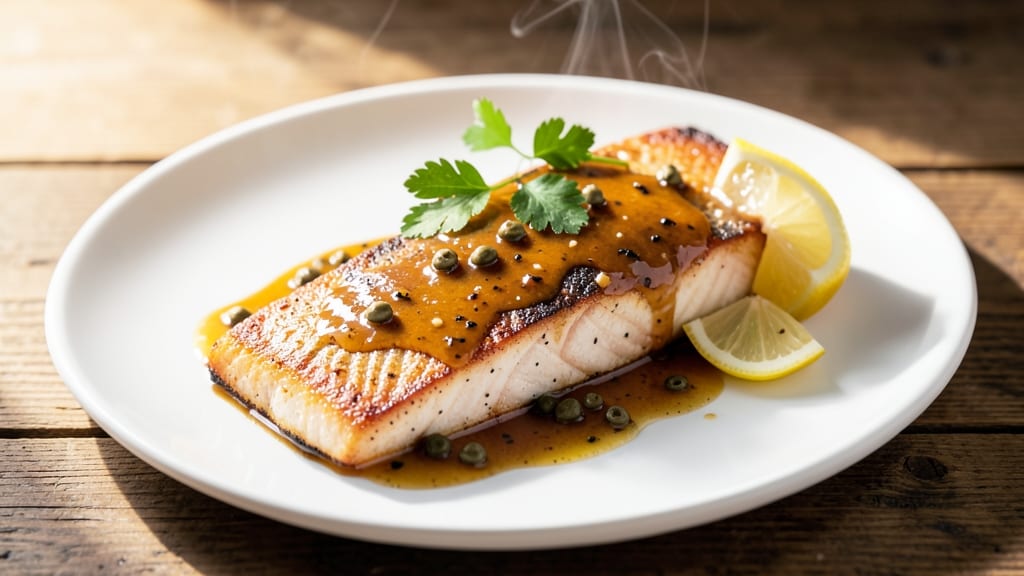
A bright swordfish sauce recipe transforms simple grilled fish into a restaurant-worthy centerpiece with just a few ingredients. The secret lies in balancing zesty lemon, briny capers, and fresh herbs—creating a sauce that clings perfectly to tender swordfish fillets.
I developed this after realizing store-bought options never quite captured the freshness of homemade.
This sauce comes together in under 10 minutes with pantry staples: olive oil, lemon juice, garlic, white wine, and capers. The acidity from lemon and wine tenderizes the fish while the capers add that signature Mediterranean brininess.
What makes it special is how it enhances rather than overpowers the delicate flavor of swordfish.
What you'll end up with is a glossy, vibrant sauce that's perfect for drizzling over grilled swordfish or using as a marinade. The flavors meld beautifully when chilled, making it ideal for meal prep—just store it in an airtight container in the fridge for up to 5 days.
It's the kind of sauce that turns a simple seafood dinner into something memorable.
Use it to elevate your swordfish dishes, whether seared, baked, or grilled. The sauce also works as a dip for crusty bread or a finishing touch for other Mediterranean proteins. Let's make this bright, tangy sauce that will become your go-to for swordfish night.
Ingredients for swordfish sauce
Pantry staples meet Mediterranean flair in this bright swordfish sauce recipe.
| Ingredient | Amount | Notes |
|---|---|---|
| Extra-Virgin Olive Oil 🫒 | ½ cup | High-quality, fruity variety preferred |
| Fresh Lemon Juice 🍋 | ¼ cup | Freshly squeezed, no pulp |
| Capers 🍈 | ¼ cup | Rinsed and drained well |
| Garlic Cloves 🧄 | 4 cloves | Freshly minced, not pre-minced |
| Dry White Wine 🍷 | ¼ cup | Sauvignon Blanc or Pinot Grigio |
| Fresh Flat-Leaf Parsley 🌿 | ¼ cup | Chopped, stems removed |
| Fresh Dill 🌿 | 2 tbsp | Chopped, stems removed |
| Diamond Crystal Kosher Salt 🧂 | ½ tsp | Fine grain preferred |
| Freshly Ground Black Pepper 🌶️ | ¼ tsp | Freshly cracked preferred |
| Red Wine Vinegar 🍶 | 1 tbsp | For extra brightness |
The olive oil sets the foundation—look for a fruity, extra-virgin variety with a peppery finish. Trader Joe's and Whole Foods carry excellent options, but any high-quality bottle will do. Capers are non-negotiable for that signature briny kick; Italian-style capers in brine work best. Rinse them well to remove excess salt before using. For the wine, dry whites like Sauvignon Blanc or Pinot Grigio add brightness without overpowering, but a splash of white grape juice works in a pinch if you're avoiding alcohol. Fresh herbs are key—parsley and dill should be vibrant green, not wilted or yellowing. I always grab a bunch of each and use half for this sauce, saving the rest for other dishes.
No white wine? Substitute with additional lemon juice or dry white grape juice—just reduce the total liquid by 1 tbsp to maintain balance. Short on capers? Green olives chopped fine add a similar briny depth, though they'll change the texture slightly. Pre-minced garlic? Fresh is worth it here—it makes a noticeable difference in flavor. The red wine vinegar might seem like overkill, but it cuts through the richness of the olive oil beautifully, giving the sauce that restaurant-quality tang. If you're making this ahead, taste and adjust the acidity—sometimes the flavors meld differently after chilling.
This sauce keeps beautifully—up to 5 days in the fridge when stored in an airtight container. The flavors actually improve as they meld, so it's perfect for meal prep. For longer storage, freeze in ice cube trays and thaw as needed. I like to portion it into small jars so I can grab just what I need for a single serving of swordfish. The sauce works best at room temperature, so let it sit for 10 minutes before drizzling. It's also fantastic as a marinade—just add a splash of olive oil and let the swordfish soak up those bright flavors for 20-30 minutes before cooking.
Why You'll Love This Recipe
- Pantry in Minutes: The only prep is mincing garlic and squeezing lemons—no chopping, no fuss. I’ve made this sauce while chatting on the phone, and it still tastes like I slaved over it.
- Bright & Tangy: That zing from lemon juice and capers cuts through the richness of swordfish like a summer breeze. The white wine adds depth without overpowering—honestly, it’s the kind of flavor that makes you reach for seconds.
- Weeknight & Weekend: Drizzle it over grilled fish for dinner, toss it with pasta for lunch, or use it as a marinade for seafood skewers. I’ve even served it as a dipping sauce for crusty bread when guests dropped by unexpectedly.
- Stays Fresh, Costs Less: A little goes a long way—this sauce keeps for days in the fridge, and the ingredients are affordable. Between us, I’ve stretched a batch into three meals without breaking the bank.
Step-by-step instructions for bright lemon-caper swordfish sauce
This vibrant sauce comes together in minutes with simple techniques that maximize flavor.
Prepare the Base with Olive Oil and Aromatics
Heat the 0.5 cup extra-virgin olive oil in a medium saucepan over medium-low heat. Add the 4 cloves freshly minced garlic cloves and sauté for 1-2 minutes until they're just fragrant—not browned. The garlic should smell pungent but not bitter, signaling it's ready for the next step.
Here's the thing—cooking garlic too long turns it bitter. Watch closely and remove it immediately when you catch that aromatic punch. Add the 0.25 cup rinsed and drained capers and stir for 30 seconds to warm through. These briny little jewels will infuse the oil with their signature tang.
Deglaze with Wine and Brighten with Vinegar
Pour in the 0.25 cup dry white wine and bring to a gentle simmer. Let it reduce by half—this takes about 3-4 minutes—until you notice the liquid has thickened slightly and coats the back of a spoon. The alcohol will burn off, leaving behind pure wine flavor.
Once reduced, stir in the 1 tablespoon red wine vinegar and 0.25 cup fresh lemon juice. The vinegar adds an extra layer of brightness that cuts through the richness of the olive oil. The mixture should bubble gently but not boil vigorously—this prevents the lemon's delicate acidity from dissipating.
Finish with Herbs and Seasoning
Remove the pan from heat and stir in the 0.25 cup chopped fresh flat-leaf parsley and 2 tablespoons chopped fresh dill. Let the herbs steep for 1 minute off the heat—their flavors will meld more completely without cooking. This is where the sauce develops its signature herbal complexity.
Return the pan to low heat and add the 0.5 teaspoon diamond crystal kosher salt and 0.25 teaspoon freshly ground black pepper. Taste and adjust—you want the salt to be noticeable but not overpowering, with just a hint of pepper's warmth. The sauce should balance briny, bright, and herbal notes perfectly.
Rest and Serve with Swordfish
Let the sauce rest for 5 minutes before serving. This allows all the flavors to settle and the herbs to release their full aroma. The sauce should be silky with just enough body to cling to grilled swordfish without overwhelming it.
Serve immediately over 4 servings of grilled swordfish, spooning the sauce generously over each portion. The contrast of the warm, slightly charred fish with this bright, briny sauce is what makes this dish truly special. For extra drama, garnish with an additional sprinkle of fresh dill and a lemon wedge.
Pro Tips For Making Swordfish Sauce
- Mince That Garlic: I learned this the hard way—whole cloves in swordfish sauce just sit there like stubborn guests. Use a knife (not a press) to finely mince 3-4 cloves into a paste before adding. This way, the garlic blends smoothly and infuses the wine and oil without leaving bitter chunks.
- Toast the Capers: Skip the straight-from-the-jar route. Drain and pat the capers dry, then warm them in a dry pan for 30 seconds until they smell bright and toasty. This removes excess brine and deepens their salty, briny punch—no need for extra salt later.
- Simmer, Don’t Boil: The sauce will turn cloudy and sad if you let it boil. Keep it at a gentle simmer (tiny bubbles, occasional swirls) for 5-7 minutes. If it’s too aggressive, pull it off the heat and let it cool slightly—your future self will notice the difference.
- Reduce the Wine First: Sounds weird, but it works: Heat the white wine in the same pan for 2 minutes before adding anything else. The alcohol burns off just enough to concentrate the flavor, so the sauce tastes richer and less sharp. (Yes, even if you’re impatient like me.)
Best sauces and condiments for swordfish sauce
Classic Swordfish Sauce
This bright lemon-caper sauce is the star of Mediterranean swordfish dishes. The olive oil base carries the briny capers and fresh herbs, while the white wine and lemon juice create a perfect balance of acidity and richness.
I developed this version after realizing how much better homemade tastes compared to store-bought options. The key is using freshly minced garlic and high-quality extra-virgin olive oil—never cut corners here. 🍋
Spicy Chipotle Twist
For a smoky kick, stir in 1 teaspoon adobo sauce from canned chipotle peppers when adding the wine. The heat complements swordfish beautifully, especially when grilled. I like to add this after the sauce rests to preserve the chipotle's smoky aroma.
Use Mexican-style chipotle in adobo sauce for the best flavor—brands like La Costeña work perfectly.
Creamy Garlic Version
Transform this sauce into a velvety version by whisking in 2 tablespoons heavy cream or Greek yogurt at the end. This adds a luxurious texture while keeping the bright lemon-caper profile.
I recommend using full-fat Greek yogurt for the best consistency. Serve this version over baked swordfish for a restaurant-worthy touch.
Herb Variations
Swap out parsley and dill for other Mediterranean herbs like thyme or oregano for different flavor profiles. A mix of 1 tablespoon each creates a complex herbal note. Fresh tarragon adds an anise-like sweetness that pairs wonderfully with swordfish. Always use fresh herbs—they make a noticeable difference in flavor.
Storage and Reuse
Store leftovers in an airtight container in the fridge for up to 5 days. The flavors actually improve as they meld. For longer storage, freeze in ice cube trays and thaw as needed.
This sauce also works as a marinade—just add a splash of olive oil and let swordfish soak for 20-30 minutes before cooking. 💡
Serving Suggestions
Drizzle generously over grilled or seared swordfish for immediate serving. The sauce also works as a dip for crusty bread or a finishing touch for other Mediterranean proteins like shrimp or octopus.
For extra presentation, garnish with lemon zest or edible flowers right before serving. The contrast of warm fish and bright sauce is what makes this dish shine.
Nutrition facts
Frequently asked questions
Can I make this sauce without white wine?
Replace the 0.25 cup white wine with 0.25 cup additional lemon juice or white grape juice to maintain brightness. For a non-alcoholic version, use dry sparkling water to mimic the wine's acidity, but reduce the total liquid by 1 tablespoon to keep the balance right.
How do I prevent the sauce from being too acidic?
Start by tasting the sauce after adding the wine and vinegar—this is when acidity peaks. If it's too sharp, balance it with a drizzle of olive oil or a pinch of sugar (just 1/8 teaspoon). The capers and herbs will naturally soften the acidity as the sauce rests, so don't worry if it tastes slightly strong at first.
What’s the best way to use leftover sauce?
This sauce doubles as a marinade—combine 2 tablespoons with 1 tablespoon olive oil and let swordfish soak for 20-30 minutes before cooking. It also works as a dip for crusty bread or a finishing sauce for other proteins like shrimp. Store leftovers in an airtight container for up to 5 days in the fridge.
Can I make this sauce ahead of time?
Yes! The flavors actually improve when chilled. Make it 1 day ahead and store in an airtight container in the fridge. Stir well before using, as the herbs may settle. For longer storage, freeze in ice cube trays—thaw overnight in the fridge before serving. The sauce will be even more vibrant after resting!
What other seafood pairs well with this sauce?
This bright sauce works beautifully with grilled shrimp, seared scallops, or baked cod. It also elevates Mediterranean dishes like grilled octopus or stuffed mussels. The key is pairing it with proteins that can handle its bold flavors—avoid delicate fish like sole, which might get overpowered.